As summer approaches, ensuring your air conditioning system is primed and ready becomes crucial for surviving the heat and thriving. A well-maintained air conditioner is the linchpin of summer comfort, safeguarding against unexpected breakdowns when you need cooling the most. Beyond the immediate relief it provides, the benefits of a tuned-up AC extend to improved efficiency, leading to lower energy bills and a significant enhancement in your home’s overall comfort. Taking the time to prepare your air conditioning system for the heavy lifting of summer is not just a preventative measure—it’s a strategic approach to enjoying a cooler, more comfortable season while keeping costs in check with the expertise of a HVAC Professional.
Understanding Your Air Conditioning System
Understanding how your air conditioning system operates is key to appreciating the importance of regular maintenance. At its core, an air conditioning system draws in warm air from your home, passes it over a refrigerant-cooled coil, and recirculates the cooled air back into your living space. This process lowers the temperature and reduces humidity, enhancing your comfort during the hot summer months.
Key Components of an Air Conditioning System and Their Roles:
- Thermostat: Acts as the control center, setting and maintaining the desired temperature.
- Evaporator Coil: Located indoors, it cools the air by absorbing heat through refrigerant.
- Condenser Coil: Situated outdoors, it expels the absorbed heat outside the home.
- Refrigerant: The substance circulates through the coils, changing from liquid to gas and back, to absorb and release heat.
- Compressor: Pumps the refrigerant between the evaporator and condenser coils, changing its pressure to facilitate the heat exchange.
- Expansion Valve: Regulates the flow of refrigerant into the evaporator coil.
- Air Handler and Blower Motor: Circulate the air through the system and your home.
- Filter: Removes particles and contaminants from the air before it is cooled and recirculated.
Each component plays a vital role in the cooling process, and the efficiency of your air conditioning system depends on all parts working seamlessly together. Regular tune-ups ensure that these components are in optimal condition, leading to improved performance and longevity of your AC system.
Signs Your AC Needs a Tune-Up
Recognizing the signs that your air conditioning system requires a tune-up or AC repair can save you from the discomfort and expense of a breakdown during the peak summer months. While some indicators are more obvious, awareness of the subtler signs can help you address issues before they escalate into major problems. Regular maintenance ensures your AC runs efficiently and prolongs its lifespan, making it a crucial aspect of home care. Below are some common indicators that suggest your air conditioning system might need professional attention.
Unusual Noises
Any sudden or unusual noises from your air conditioning unit, such as grinding, squealing, or rattling, could indicate a problem. These sounds may suggest loose components, a belt slipping out of place, or bearings needing lubrication.
Decreased Efficiency
If your air conditioning system is working harder than usual to maintain a comfortable temperature, or if you’ve noticed a significant increase in energy bills without a corresponding increase in usage, your system might be losing efficiency. This could be due to various issues, including dirty coils or a refrigerant leak.
Inconsistent Temperatures
Rooms that are too hot or too cold, inconsistent airflow, or a system that struggles to maintain the set temperature can all be symptoms of an air conditioning system needing a tune-up. These issues can stem from problems with the thermostat, ductwork, or air handler.
Being proactive about scheduling a tune-up when you notice these signs can help ensure your air conditioning system is ready to provide reliable and efficient cooling throughout the summer.
Benefits of Regular AC Maintenance
Regular AC maintenance is pivotal for the longevity and efficiency of your air conditioning system. Like any complex machinery, an AC unit requires periodic check-ups and tune-ups to operate at peak performance. The benefits of adhering to a regular maintenance schedule are numerous, enhancing the system’s performance and extending its lifespan significantly.
Extends the Lifespan of Your AC System
Routine maintenance can significantly extend the operational life of your air conditioning system. By addressing small issues before they escalate into larger problems, maintenance helps avoid the stress on your system that can lead to premature breakdowns. Components like filters, coils, and fins require regular attention to keep the system running efficiently. When these parts are kept in optimal condition, the entire system can operate smoothly, reducing the wear and tear on your AC unit and extending its lifespan.
Prevents Costly Repairs
One of the most tangible benefits of regular AC maintenance is the potential to prevent costly repairs. During a tune-up, a trained technician can identify and fix minor issues that, if left unaddressed, could lead to significant damage and expensive repairs down the line. For example, if caught early, a refrigerant leak can be a minor fix but may lead to compressor failure if ignored, resulting in a much more substantial repair bill. Regular maintenance ensures your system remains in good working order, minimizing the likelihood of unexpected breakdowns and expensive repairs.
Improves Energy Efficiency
Regular maintenance also plays a crucial role in maintaining the energy efficiency of your air conditioning system. Dirty or clogged filters, for example, can restrict airflow, forcing your AC to work harder and use more energy to cool your home. Similarly, leaking refrigerant or dirty condenser coils can decrease efficiency. By ensuring that all components of your AC system are clean and in good repair, regular maintenance helps the system run more efficiently, reducing energy consumption and lowering your utility bills.
Step-by-Step Guide to an Air Conditioning Tune-Up
Ensuring your air conditioning system is ready to tackle the summer heat involves several maintenance steps. Here’s a detailed guide to performing an effective air conditioning tune-up:
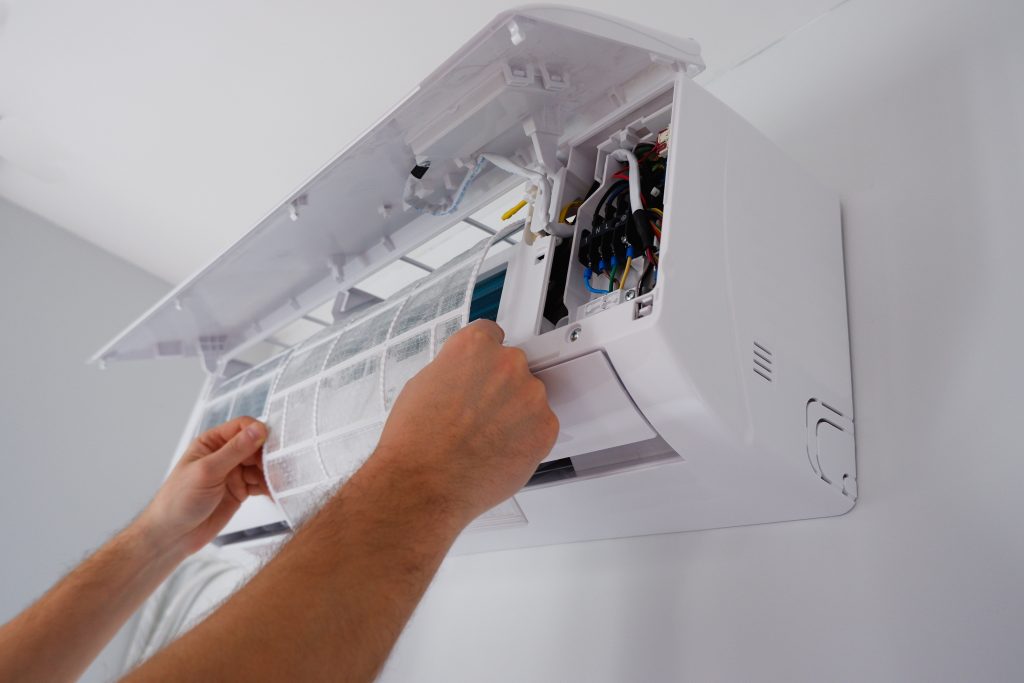
Changing the Air Filter: Importance and Frequency
- Importance: A clean air filter is crucial for airflow and quality. It traps dust, pollen, and other airborne particles, preventing them from circulating through your home.
- Frequency: Change the air filter every 1-3 months, depending on usage and filter type. Homes with pets or allergy sufferers may require more frequent changes.
Cleaning the Condenser Coils: How-to and Its Impact on System Efficiency
- How-to: Turn off the power to the unit. Remove debris from the condenser unit, and gently cleanse the coils with a garden hose, using a coil cleaner if necessary.
- Impact: Clean coils allow for better heat dissipation, improving the system’s efficiency and reducing energy costs.
Inspecting the Thermostat: Ensuring Proper Operation and Calibration
- Check the thermostat’s settings to ensure it’s on cooling mode and the temperature is set correctly. Consider upgrading to a programmable thermostat for better efficiency and convenience.
Checking Refrigerant Levels: Signs of Low Refrigerant and the Necessity of Professional Service
- Signs: Ice on refrigerant lines, decreased cooling capacity, or longer cooling cycles.
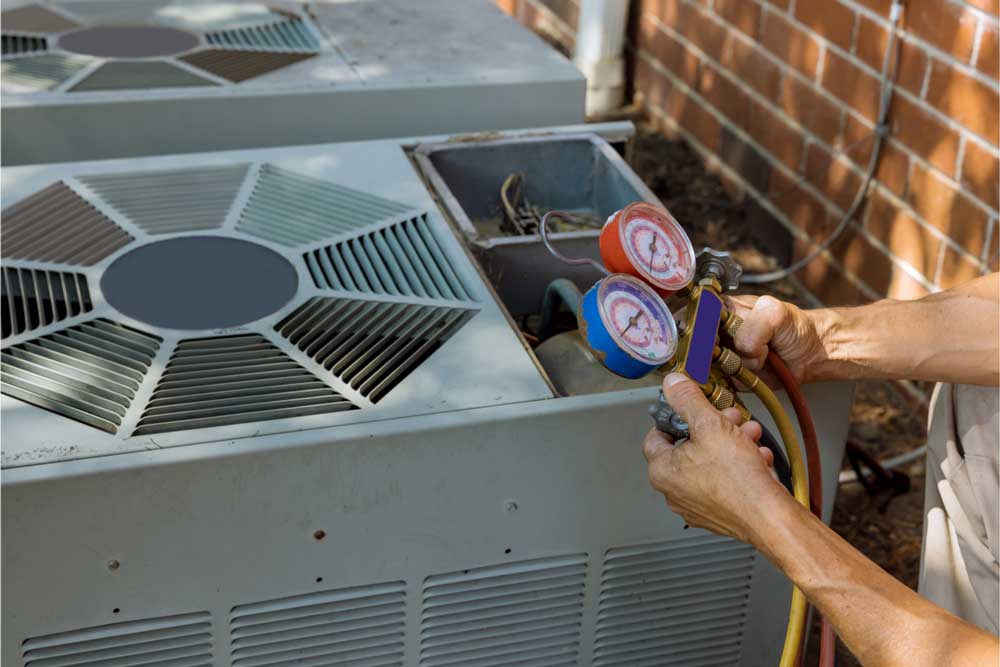
- Professional Service: Contact a professional if you suspect a refrigerant leak or low levels. Handling refrigerants requires special training and equipment.
Inspecting and Tightening Electrical Connections: Safety and System Reliability
- Ensure all electrical connections are tight and in good condition. Loose connections can cause unsafe operation and reduce the lifespan of your AC.
Lubricating Moving Parts: Reducing Friction and Preventing Wear
- Lubricate motors and bearings to reduce friction, prevent wear, and extend the life of moving parts. This step is particularly important for older systems.
Checking the Condensate Drain: Preventing Blockages and Water Damage
- Clear any blockages in the condensate drain line to prevent water damage and maintain humidity levels. Use a mixture of bleach and water to clean the line if necessary.
Professional Inspection: When to Call in a Professional for a Thorough System Check
- Even with diligent maintenance, some tasks require a professional’s touch. If you encounter issues beyond basic maintenance, notice performance declines, or your system has yet to be serviced in over a year, it’s time to call in a professional HVAC technician.
Following this step-by-step guide will help ensure your air conditioning system operates efficiently and reliably throughout the summer, providing a comfortable and safe environment for your home.
DIY Maintenance Tips vs. Professional Services
Navigating the balance between DIY maintenance and professional services is key to ensuring your air conditioning system operates efficiently and safely. Here’s a breakdown of which tasks are suitable for homeowners and which should be left to the professionals.
DIY Maintenance Tips
- Changing the Air Filter: This task should be done regularly, depending on your system’s requirements and household factors, such as pets and allergies.
- Cleaning Around the Outdoor Unit: Keeping the area around your condenser unit clear of debris, leaves, and overgrown vegetation ensures proper airflow and system efficiency.
- Cleaning the Condenser Coils: Homeowners can gently clean the condenser coils with a hose, but be careful not to bend the delicate fins.
- Checking the Thermostat: Regular checks to ensure your thermostat is functioning correctly and set to the right mode can save you from unnecessary service calls.
- Cleaning the Condensate Drain Line: Using vinegar or bleach to flush the condensate line can prevent blockages and minimize microbial growth.
Tasks for Professional Services
- Checking Refrigerant Levels: Refrigerant handling is regulated and requires certification due to the environmental and health risks. If you suspect a leak or need a recharge, it’s time to call a professional.
- Electrical Repairs: A trained technician should handle any issues involving electrical connections or components to avoid the risk of electric shock or damage to your system.
- Deep Cleaning Internal Components: Professionals have the tools and knowledge to safely clean sensitive areas like the evaporator coil and blower fan.
- Annual Tune-Ups: A comprehensive annual service by a professional technician can identify wear and tear, prevent future breakdowns, and ensure your system operates at peak efficiency.
- Diagnosing and Repairing Mechanical Issues: A professional can accurately diagnose and fix complex mechanical issues if your AC is making unusual noises or not cooling effectively.
While DIY maintenance can go a long way in keeping your air conditioning system running smoothly, recognizing when to call in the experts is crucial for maintaining system efficiency, ensuring safety, and preventing costly repairs down the line. Balancing these aspects will keep your AC in top condition, ready to provide reliable cooling throughout the summer.
Final Thoughts
As we’ve explored throughout this guide, preparing your HVAC system for the summer heat is crucial for ensuring a comfortable, cool home during the hotter months. Regular maintenance not only optimizes the efficiency of your AC, leading to reduced energy costs, but it also plays a vital role in preventing unexpected breakdowns and emergency repairs when you need your system the most. By adopting a proactive approach to HVAC system maintenance—combining DIY tasks such as changing air filters and cleaning around the unit with professional services for more technical aspects—you can extend the lifespan of your system, enhance its performance, and ensure it runs smoothly throughout the summer. Remember, the key to a cooler home and significant savings lies in the care and attention you give your HVAC system before the peak season arrives.