As you consider upgrading your home’s HVAC system, you might wonder about the energy efficiency of ductless mini-splits. Triple A AC, Heating, & Plumbing highlights that these systems boast high SEER and HSPF ratings and adapt precisely to your living space’s needs, minimizing energy waste. With advanced inverter technology, these units adjust their output to maintain consistent indoor temperatures, offering comfort and cost savings. However, the true extent of their efficiency and how they stack up against traditional systems in real-world applications might surprise you. Let’s explore whether these systems could be the right solution for your home.
Understanding Ductless Mini-Splits
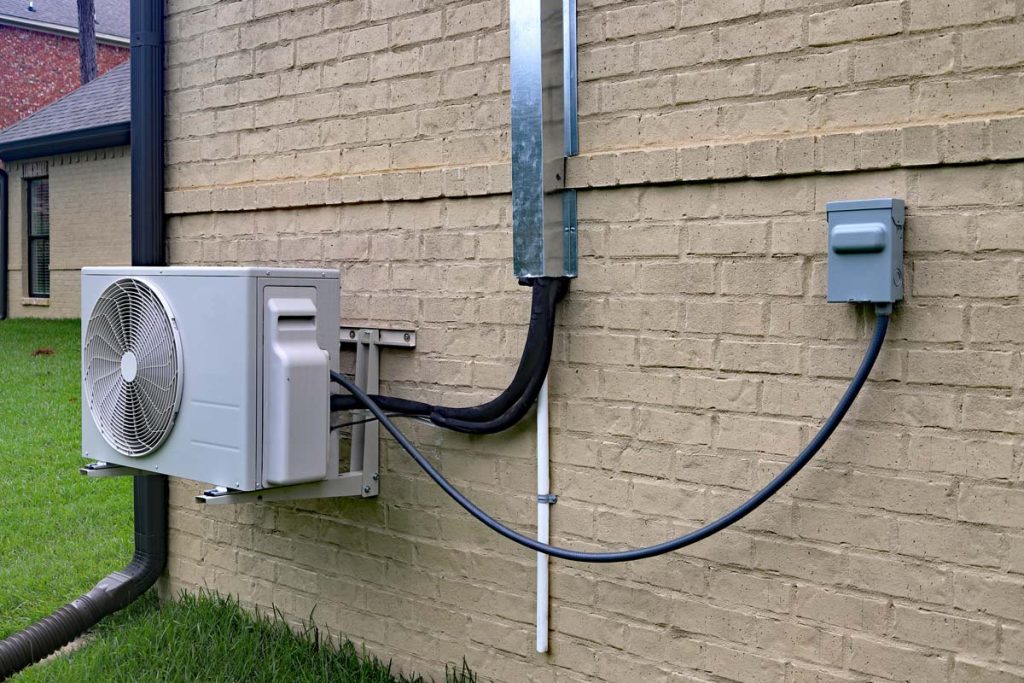
Ductless mini-splits are an efficient air-conditioning and heating option that eliminates the need for bulky ductwork and efficiently manages room temperatures through individual zone control. These systems comprise two main components: an outdoor compressor/condenser and one or more indoor air-handling units. These elements are connected by a conduit housing the power cable, refrigerant tubing, suction tubing, and a condensate drain, ensuring a streamlined and discreet setup.
You’re likely concerned about operational noise, a common issue with traditional HVAC systems. However, ductless mini-splits excel in providing a quieter operation. Most noise-generating machinery is housed in the outdoor unit, far removed from your living spaces. Modern models feature whisper-quiet technology, ensuring indoor units operate at noise levels as low as 19 decibels, comparable to a whisper.
When integrating these systems into your home, aesthetic options abound. Indoor units come in various forms, such as wall-mounted, ceiling-recessed, and floor-standing models, allowing you to choose based on your decor preferences and spatial requirements. With sleek, compact designs and customizable covers, these units blend seamlessly into any room, ensuring your home’s style is uncompromised.
Measuring Energy Efficiency
How do you gauge the energy efficiency of ductless mini-splits? You’ll need to explore efficiency metrics specifically designed to measure how well these systems perform. One important indicator is the Seasonal Energy Efficiency Ratio (SEER), which calculates the cooling output during a typical cooling season divided by the total electric energy input. The higher the SEER rating, the more efficient the unit.
Another key metric is the Energy Efficiency Ratio (EER), which represents the ratio of cooling capacity (in BTU per hour) to power input (in watts). Unlike SEER, EER is measured under specific environmental conditions and offers a snapshot of energy efficiency at peak day operations.
For heating performance, the Heating Seasonal Performance Factor (HSPF) assesses the efficiency of the unit’s heat pump. It examines the total heating output (including supplementary electric heat) versus the total electricity consumed over the heating season.
Performance testing also plays a pivotal role. These systems undergo rigorous testing to verify they meet or exceed various energy ratings that certify their efficiency. Always check for Energy Star certification, a reliable indicator that your ductless mini-split meets the EPA’s stringent energy efficiency criteria.
Installation Process Explained
It is important to understand the energy efficiency of your mini-split system and ensure proper installation to maintain that efficiency. Installing a ductless mini-split involves specific stages requiring advanced technical knowledge and strict adherence to safety protocols.
Firstly, selecting the correct location for both the indoor and outdoor units is vital. You’ll need to guarantee adequate space for airflow and accessibility for maintenance. The outdoor unit should be placed on a flat surface that supports the unit’s weight without risk of shifting.
Professional certification is imperative for anyone installing these systems. Certified professionals have undergone rigorous training and are well-versed in the installation process’s complex electrical and refrigerant handling aspects. They’ll ensure all connections are secure and the system is set up for peak performance.
Regarding tool requirements, installers will need various specialized tools, including HVAC gauges, a vacuum pump, and a refrigerant leak detector. These tools are essential for ensuring the system is charged correctly and free of leaks.
Adhering to safety protocols cannot be overstated. Installers must wear appropriate protective gear, follow electrical safety rules, and handle refrigerants according to EPA regulations. By following these guidelines, you can rest assured that your system is installed safely and efficiently.
Cost Comparison Analysis
When comparing costs, you’ll find that ductless mini-split systems often present a higher upfront investment than traditional HVAC systems, yet they offer significant savings in long-term energy expenses. Here’s a breakdown to help you understand the financial dynamics:
- Initial Investment: Typically, the initial cost for ductless mini-split systems is higher due to the technology and the setup required. You’re not just buying a unit but a highly efficient, customizable system. Each zone in your home can have its unit without the need for extensive ductwork, which, while costly upfront, leads to tailored usage and less energy wastage.
- Operational Savings: Ductless systems are markedly more efficient in operation. Due to their lack of ducts, they don’t suffer the energy losses associated with traditional systems’ ductwork. This efficiency directly translates into cost savings on your monthly bills, as you use less power to achieve the same comfort level.
- Break-Even Point: Despite the higher initial cost, the break-even point can be surprisingly swift. Given the operational savings, you’ll notice that the cost difference begins to pay off. On average, the break-even point occurs within a few years post-installation, depending on your usage patterns and local energy costs.
Environmental Impact Benefits
In addition to the cost savings, ductless mini-split systems greatly decrease your carbon footprint by using less energy and relying on advanced, eco-friendly technologies. These systems are designed with the latest heat pump technology, known for high efficiency and low energy consumption. This results in significant carbon reduction, as less fossil fuel is burned to heat or cool your home, emitting fewer greenhouse gasses into the atmosphere.
Moreover, ductless mini-splits are highly compatible with renewable energy sources such as solar power. You can connect these units to solar panels, reducing reliance on non-renewable energy and your ecological footprint. This integration not only supports a sustainable approach but also enhances energy independence.
Maintenance and Upkeep
Regular maintenance guarantees that your ductless mini-split system operates at peak efficiency and longevity. Ensuring your system receives professional attention can greatly extend its life and enhance performance. Here’s what you need to focus on:
Seasonal Servicing
It is important to have your ductless mini-split serviced by a professional at least twice a year. Ideally, this should occur before the heating season and again before the cooling season. These checks will include system inspections, coolant level adjustments, and cleaning of essential components to maintain peak functionality.
Filter Replacement
Regular filter replacement is key to maintaining air quality and the efficiency of your mini-split system. Dirty filters restrict airflow and reduce efficiency, forcing your system to work harder. To ensure top performance, replace or clean filters monthly during high-use periods and every three months during lighter-use periods.
Performance Optimization
Performance checks can identify potential issues before they become serious problems. This includes checking for leaks, ensuring that all electrical connections are tight, and verifying that the thermostat is accurately calibrated. These steps help reduce energy usage while maximizing your unit’s cooling and heating capabilities.
Adhering to these maintenance tasks will help you get the most out of your investment in comfort and cost savings.
Temperature Control Flexibility
Maintaining your ductless mini-split system ensures excellent performance, and with advanced temperature control flexibility, you can further enhance energy efficiency and comfort tailored to your specific needs. The essence of ductless mini-splits lies in their ability to offer zonal heating and cooling. This means you can independently control temperatures in specific areas or ‘zones’ in your home. Unlike traditional HVAC systems that require consistent temperature settings across the entire house, mini-splits cater to individual preferences and room adaptability.
Each zone or room can be equipped with a thermostat. This allows for personalized settings, enabling you to keep one room cool while another is warmed according to different family members’ preferences. Such precision not only improves comfort but also greatly reduces energy waste. You’re not heating or cooling spaces that aren’t in use.
Furthermore, the technology behind these systems supports a wide range of indoor unit styles and capacities. Whether it’s a large living space or a small home office, there’s a unit that fits precisely, ensuring efficient efficiency and adaptability. This level of customization and efficiency makes ductless mini-splits a smart choice for those seeking both comfort and sustainability in their heating and cooling solutions.
Longevity and Durability
When properly maintained, ductless mini-splits typically offer a longer lifespan and greater durability than many traditional HVAC systems. You’re not just investing in a unit that delivers efficient temperature control; you’re also getting a robust system designed to withstand the rigors of seasonal performance year after year.
To fully appreciate why ductless mini-splits are a durable choice, consider these key aspects:
- Warranty Options: Most manufacturers provide extensive warranties, often up to 12 years, to ensure your investment is protected. These warranty options demonstrate confidence in the longevity of these systems.
- Seasonal Performance: Unlike traditional systems that might strain under seasonal extremes, ductless mini-splits are engineered to operate efficiently across diverse temperatures. This adaptability reduces the wear and tear on components, contributing to a longer service life.
- Repair Frequency: The unique design and advanced technology of ductless mini-splits result in fewer mechanical failures. Consequently, you’ll encounter a lower repair frequency compared to conventional systems. This saves you money in the long run and enhances the unit’s lifespan.
Rebates and Financial Incentives
Real Homeowner Experiences
Understanding incentive eligibility is vital. Typically, these incentives depend on factors such as the energy efficiency rating of the system and the location of your property. Each state and sometimes different utilities within a state offer varying rebates. For instance, some states provide incentives only for systems that meet specific Seasonal Energy Efficiency Ratio (SEER) and Heating Seasonal Performance Factor (HSPF) ratings. It’s important to check your region’s requirements to ensure you qualify.
Navigating the application procedures for these rebates can be complex. Often, you must purchase your system through a certified installer who meets local and federal guidelines. Documentation, such as proof of residence and a detailed invoice from the installer, is typically required. Additionally, some programs require inspecting the installation to confirm that the system is installed correctly and efficiently.
Stay informed about regional variations in rebates and incentives. Local energy offices or HVAC installers can provide the latest information, helping you maximize your savings through available special offers.
Many homeowners have found that installing ductless mini-splits greatly reduces their energy bills, particularly when replacing older, less efficient systems. The technology behind these units has advanced significantly, offering improved energy efficiency and enhanced comfort and control over your indoor environment. Here’s how real users are benefiting from ductless mini-splits:
- Reduced Noise Levels: Unlike traditional HVAC systems that can be quite noisy, ductless mini-splits operate with significantly lower noise levels. Homeowners appreciate the quiet operation, noting that the lack of noise contributes to a more peaceful home environment. This is especially beneficial in bedrooms, studies, and other areas where noise sensitivity is paramount.
- Aesthetic Integration: Installing a ductless system doesn’t mean compromising your home’s decor. Homeowners report successful aesthetic integration, with units that blend seamlessly into their living spaces. Various models offer sleek, compact designs that don’t detract from the interior style, providing cooling and heating without the bulky presence of older units.
- Efficient System Upgrades: Those who have upgraded from older HVAC systems to modern ductless solutions describe a significant improvement in energy efficiency. The ability to control temperatures in individual rooms lowers energy consumption and reduces utility bills, making it a financially sound investment over time.
Conclusion
As you consider upgrading your home’s HVAC system, remember that ductless mini-splits boast an impressive average SEER rating of 15-22, reducing energy usage by up to 30% compared to traditional systems. Embracing this technology lowers your energy bills and enhances your comfort with superior temperature control. Investing in a ductless mini-split system with Triple A AC, Heating, & Plumbing is an innovative, sustainable choice that pays off both financially and environmentally.