
Winter energy bills can quickly add up, but there are practical steps you can take to keep costs down without sacrificing comfort. Have you ever considered how sealing drafts and upgrading insulation prevent heat loss and improve your home’s energy efficiency? By focusing on areas like programmable thermostats and maintaining your HVAC system, you can optimize your heating and reduce expenses to a considerable extent. Additionally, simple changes such as reversing ceiling fans and harnessing natural sunlight can make a big difference. Curious about how these strategies work and what else you can do?
Seal Drafts
According to the U.S. Department of Energy, sealing drafts in your home can reduce energy bills by up to 20%. By effectively sealing drafts, you save money and create a more comfortable environment for those you’re helping. Start by installing weather stripping around doors and windows. Weatherstripping is a cost-effective solution that can easily seal gaps, preventing cold air from entering and warm air from escaping.
Next, consider adding door sweeps to the bottom of exterior doors. Door sweeps are affordable and straightforward to install. They act as barriers, blocking drafts that typically enter through the gap between the door and the floor. Make sure you choose a sweep that fits snugly to maximize its effectiveness.
Additionally, applying window film can significantly reduce heat loss through windows. Window film is a thin, transparent sheet that adheres to the glass, providing an extra layer of insulation. It’s especially useful for single-pane windows, where heat loss is more pronounced.
Upgrade Insulation
Upgrading your home’s insulation can dramatically improve energy efficiency, with potential savings of up to 15% on heating costs, as the Environmental Protection Agency reported. You must select the right insulation materials and guarantee proper insulation installation to achieve these savings. Here are practical steps to guide you:
- Assess Current Insulation: Begin by evaluating your existing insulation. Check the attic, walls, floors, and basement. Look for signs of wear or insufficient coverage. This initial step helps you determine where to add or upgrade insulation.
- Choose the Right Insulation Materials: Different materials suit different areas of your home. Fiberglass batts or blown-in cellulose are effective for attics. For walls, consider spray foam for its superior air-sealing properties. Each material has unique insulation benefits; spray foam is a moisture barrier.
- Professional Insulation Installation: While some insulation tasks can be DIY-friendly, professional installation guarantees maximum efficiency and longevity. Experts will properly install materials, ensuring no gaps or compression can reduce effectiveness.
Use Programmable Thermostats
Installing programmable thermostats can greatly reduce your winter energy bills by optimizing heating schedules based on your daily routines. By setting precise temperature schedules, you guarantee your home is warm only when needed, preventing unnecessary heating when you’re asleep or away. Data from the U.S. Department of Energy suggests you can save up to 10% annually on heating by lowering your thermostat by 7-10 degrees for 8 hours a day.
One of the most practical solutions is utilizing the remote access features available in modern programmable thermostats. These allow you to adjust settings from your smartphone, ensuring ideal temperatures no matter where you are. For example, if you’re coming home early, you can simultaneously preheat your house remotely, maximizing comfort and energy savings.
Moreover, many programmable thermostats provide usage reports and energy-saving tips based on your patterns, helping you refine your temperature schedules further. By leveraging these data-driven insights, you can make informed adjustments that lead to significant cost reductions.
Integrating programmable thermostats into your routine is a straightforward yet impactful way to serve your household by enhancing comfort while cutting down on energy expenses.
Optimize Heating System
To optimize your heating system effectively, start by ensuring that your furnace or boiler is regularly maintained and operating at peak efficiency. Regular maintenance can improve energy efficiency by up to 30%, helping you save on winter energy bills. Here are three practical steps you should take:
- Schedule Regular Maintenance: Have a professional inspect and tune up your heating system annually. This includes checking for leaks, cleaning filters, and ensuring all components work properly. A well-maintained system runs more efficiently and lasts longer, reducing the need for costly repairs.
- Implement Zone Heating: If your home has multiple zones, use zone heating to control temperatures in different areas independently. This means you can heat only the rooms you use, reducing energy consumption. Invest in programmable thermostats for each zone to maximize efficiency.
- Install Smart Vents: Smart vents can be a game-changer for optimizing your heating system. These devices automatically regulate airflow to different parts of your home based on your usage patterns. By directing warm air only where needed, smart vents help maintain a comfortable environment while reducing wasted energy.
Harness Sunlight
Maximize your home’s energy efficiency this winter by harnessing natural sunlight to supplement your heating system. Use thoughtful window treatments to optimize solar gain and achieve significant daytime warmth.
First, open your curtains or blinds during the day, especially on south-facing windows, to allow sunlight to flood in. This simple step can naturally heat your rooms, reducing dependence on your heating system. Studies show that passive solar heating can decrease energy costs by up to 10%.
Next, consider investing in thermal window treatments. Dual-purpose curtains with a reflective layer can trap heat inside while preventing cold drafts. According to the U.S. Department of Energy, proper window treatments can diminish heat loss by up to 25%.
Additionally, regularly clean your windows to ensure optimal sunlight penetration. Dust and grime can block precious rays, decreasing solar gain.
Lastly, strategically place furniture to avoid blocking windows and ensure sunlight reaches as much of your living space as possible. This enhances daytime warmth, making your home more comfortable and energy-efficient.
Close Unused Rooms
Closing unused rooms can greatly reduce your heating costs by concentrating warmth in the areas you use. This technique, known as room isolation, guarantees that your heating system doesn’t waste energy on spaces you don’t occupy. By implementing effective space management, you can maintain a comfortable temperature in your main living areas while reducing your overall energy consumption.
To optimize this approach, follow these steps:
- Seal Door Drafts: Use door draft stoppers or weather stripping to seal gaps under the doors of unused rooms. This prevents cold air from seeping into heated areas and keeps warm air contained.
- Close Vents: Shut the heating vents in rooms you rarely use. This directs the airflow to areas where warmth is needed most, improving heating efficiency.
- Utilize Heavy Curtains: Hang heavy curtains over the doors of unused rooms. This extra layer of insulation helps to maintain room isolation by blocking drafts and retaining heat in your primary living spaces.
Reverse Ceiling Fans
Reversing your ceiling fans can greatly enhance heat distribution throughout your home during winter. By changing the fan direction to clockwise at a low speed, you can push warm air that naturally rises to the ceiling back into your living spaces. This simple adjustment can make a significant difference in maintaining a comfortable temperature throughout your home.
Ceiling fans are typically set to rotate counterclockwise in the summer to create a cooling breeze. However, using them correctly in the winter can lead to energy savings. Studies show that optimizing fan direction can reduce heating costs by up to 10%. This is because the redistribution of warm air allows your heating system to work more efficiently, reducing the need for constant adjustments on your thermostat.
Locate the direction switch on the fan’s motor housing to reverse your ceiling fan. Make sure the fan is off before making the switch. Once reversed, run the fan at a low speed to prevent a drafty feeling while effectively circulating warm air. This practical solution enhances comfort and contributes to energy savings, making it an excellent strategy for those looking to serve others by promoting sustainable living practices.
Maintain HVAC
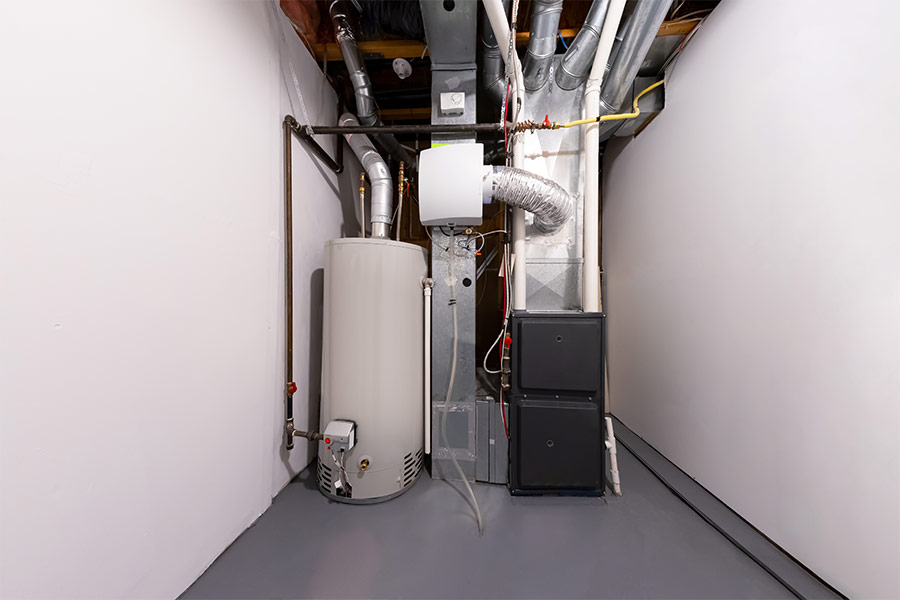
Consistently maintaining your HVAC system guarantees it operates efficiently, reducing the strain on your heating system and lowering energy bills during winter. By focusing on a few key maintenance tasks, you can make sure your system runs smoothly and efficiently.
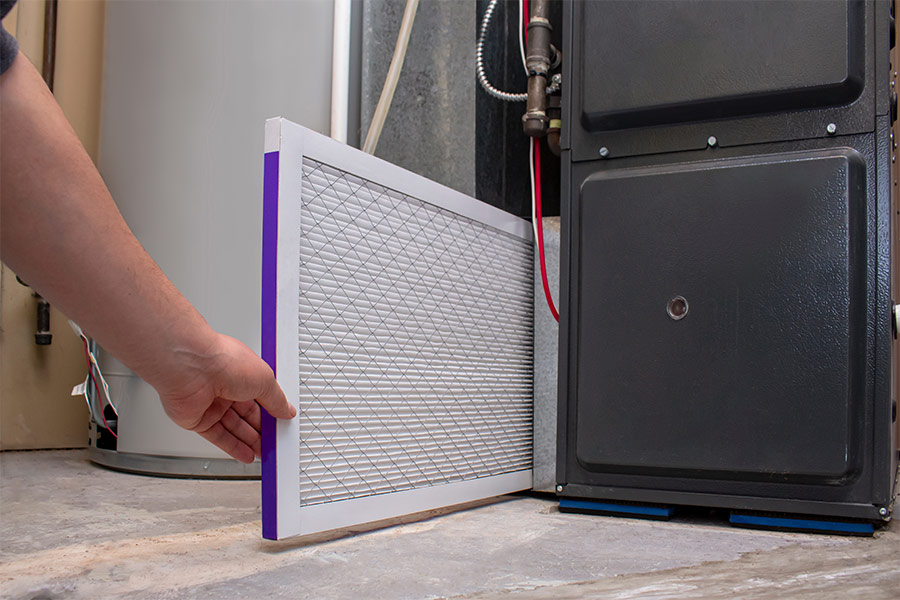
- Filter Replacement: Replacing your HVAC filters every 1-3 months can improve airflow and reduce energy consumption by up to 15%. Dirty filters force the system to work harder, increasing energy usage and wear on components.
- Duct Cleaning: Clean ducts facilitate better air distribution throughout your home. According to the U.S. Department of Energy, sealed and cleaned ducts can improve heating efficiency by up to 20%. Schedule professional duct cleaning every 3-5 years to remove dust, debris, and allergens, ensuring top-notch airflow.
- Thermostat Calibration: A well-calibrated thermostat accurately reads your home’s temperature, preventing the system from overworking. Miscalibration can cause a 7-10% increase in energy usage. Have a professional check and calibrate your thermostat annually to ensure it functions correctly.
Install Energy-Efficient Windows
Installing energy-efficient windows can greatly reduce winter heating costs by minimizing heat loss and improving insulation. When selecting window types, it’s important to consider the glazing options and frame materials. Double or triple-pane windows with low-emissivity (low-E) coatings can notably decrease heat transfer, maintaining a comfortable indoor temperature. Studies show that these windows can decrease energy loss by up to 30% compared to single-pane windows.
Pay attention to the frame materials as well. Vinyl and fiberglass frames offer excellent insulation properties and are low-maintenance. Wood frames provide good insulation but require regular upkeep. Aluminum frames, although strong, are less effective insulators and may contribute to heat loss if not thermally broken.
Consider gas fills like argon or krypton between panes. These inert gasses improve thermal performance by reducing conductive and convective heat transfer. Additionally, look for windows with a high R-value and a low U-factor; these metrics indicate better insulation and energy efficiency.
Utilize Space Heaters Wisely
Maximizing your use of space heaters can greatly reduce your winter energy bills by concentrating heat where it’s needed most. Space heaters allow you to warm specific areas, reducing the need to heat your entire home. However, to maximize efficiency and safety, you should follow these guidelines.
- Strategic Placement: Position your space heater in the room where you spend the most time. Guarantee it’s on a flat, stable surface away from flammable materials like curtains or furniture. This optimizes heat distribution without compromising safety.
- Safety Precautions: Always follow the manufacturer’s instructions. Keep the heater at least three feet away from anything that can burn. Never leave a space heater unattended; turn it off when you leave the room or go to bed. Install smoke detectors and test them regularly to enhance safety.
- Energy-Efficient Models: When purchasing a space heater, look for energy-efficient models with automatic shut-off features and programmable timers. These features help manage energy consumption and provide peace of mind.
Checklist
- Install weather stripping and door sweeps.
- Apply window film.
- Upgrade insulation in attics, walls, and basements.
- Install programmable thermostats.
- Schedule regular heating system maintenance.
- Harness natural sunlight with strategic window treatments.
- Close and seal unused rooms.
- Reverse ceiling fans for winter use.
- Regularly replace HVAC filters and clean ducts.
- Consider installing energy-efficient windows.
- Use space heaters strategically.
Conclusion
You’ve now got ten effective strategies to slash your winter energy bills. Did you know that sealing drafts can reduce energy consumption by up to 20%? You’ll see even more savings by upgrading insulation, using programmable thermostats, and optimizing your heating system. Don’t forget to harness sunlight and reverse ceiling fans for added efficiency. Maintain your HVAC, install energy-efficient windows, and use space heaters wisely to guarantee a cozy, cost-effective winter. Implement these tips and watch your bills drop!
Sources
- U.S. Department of Energy. (2021). “Energy Saver Guide: Tips on Saving Money and Energy at Home.”
- Environmental Protection Agency. (2020). “Insulation and Air Sealing.”
- EnergyStar. (2022). “Programmable Thermostats.”
Frequently Asked Questions
How Can Landscaping Help in Reducing Winter Energy Bills?
How can landscaping help reduce winter energy bills? Windbreak trees block chilly winds, evergreen shrubs provide additional insulation, and reflective mulch retains soil warmth. These practical solutions can greatly cut heating costs while serving your community’s energy needs.
Are There Any Government Rebates or Incentives for Energy-Saving Home Improvements?
You can benefit from government grants, rebate programs, and tax credits for energy-saving home improvements. These incentives help reduce upfront costs, making it easier to implement efficient solutions that serve your community by conserving energy.
What Are Some Cost-Effective Ways to Insulate a Garage?
How can you effectively insulate your garage? Start with the garage doors; apply weather stripping to seal gaps. Use insulation kits for walls and doors. These practical solutions offer data-proven benefits and help you serve others efficiently.
Can Smart Home Devices Contribute to Lower Energy Costs in Winter?
Yes, smart home devices can lower your energy costs in winter. Smart thermostats optimize heating, programmable lighting reduces usage, and energy monitors track consumption. These practical solutions help you save money while efficiently managing resources.
How Do Energy-Efficient Appliances Impact Winter Energy Consumption?
Using energy-efficient appliances with high appliance ratings can greatly reduce your energy usage. Regular seasonal maintenance guarantees these appliances run at their best, directly impacting your winter energy consumption by keeping operational costs low and efficiency high.