Have you ever wondered if the theory that regular maintenance can prevent most furnace problems holds true? It can be quite frustrating when your furnace doesn’t turn on, or you hear strange noises. From insufficient heating to a blower running continuously, these issues can disrupt your comfort. But before you call a professional, there are simple checks and fixes you can perform yourself. Let’s explore the top 10 common furnace problems and practical solutions to keep your home warm and your furnace running efficiently.
Furnace Not Turning On
If your furnace isn’t turning on, the first step is to check the thermostat settings and make sure it’s set to ‘heat’ mode. Verify the temperature is set higher than the current room temperature. Next, inspect your home’s electrical panel for a tripped breaker. If you find one, reset it and see if the furnace powers up.
Ensure the gas line to your furnace is open and supplying gas. This is important for gas-powered units. If you’re unsure, contact your gas provider for assistance. Sometimes, the issue lies within the furnace’s wiring. Look for any visible signs of damage or loose connections. To avoid potential hazards, turn off the power to your furnace before inspecting the wiring.
Safety is paramount. If you suspect wiring issues, it’s best to call a licensed technician. They’ll have the expertise to diagnose and fix any electrical problems safely. Remember, your goal is to restore heat efficiently and safely for those relying on you. By systematically checking the thermostat, breaker, gas line, and wiring, you can often identify and resolve common issues causing your furnace not to turn on.
Insufficient Heating
To address insufficient heating:
- Begin by checking and replacing your furnace’s air filter, as a clogged filter can restrict airflow and reduce efficiency.
- Confirm that the filter is clean and properly installed.
- Inspect all vents and registers in your home.
Blocked vents can prevent warm air from circulating effectively. Clear any obstructions like furniture or drapes.
Review your furnace’s settings. Incorrect settings on your thermostat can lead to inadequate heating. Validate that the thermostat is set to ‘heat’ mode and that the temperature is correctly programmed. If your thermostat is battery-operated, replace the batteries to prevent any power issues.
Pay attention to your ductwork. Ductwork leaks can cause heated air to escape before it reaches your living spaces. Examine ducts for visible gaps or holes and seal them with duct tape or mastic sealant. This will ensure that warm air is efficiently delivered throughout your home.
Lastly, schedule regular maintenance checks. A professional can identify and fix issues you might miss, ensuring your furnace operates safely and efficiently. Always prioritize safety by turning off the furnace before inspecting or repairing it.
Strange Noises
Hearing strange noises from your furnace signals potential issues that need immediate attention to prevent further damage. First, you should identify the type of noise. Rattling often points to loose components. Check panels and screws, tighten any that are loose. If the noise persists, inspect the blower motor and fan blades. Loose or damaged fan components can cause serious issues if not addressed promptly.
Whistling sounds typically indicate duct obstructions. Inspect the ductwork for any blockages like debris or dirt. Make sure all vents are open and unobstructed. Cleaning or replacing air filters regularly can also help maintain unobstructed airflow.
If you hear a bang or pop, it might be due to delayed ignition or expanding and contracting ductwork. Call a professional immediately, as it’s a serious issue. For ductwork issues, ensure ducts are properly secured and insulated.
Lastly, safety must be maintained by turning off the furnace before inspecting or repairing any components. Contact a trained technician if you’re unsure or uncomfortable performing these tasks. Your proactive approach keeps your furnace running smoothly and guarantees the safety and comfort of those you serve.
Frequent Cycling
Frequent cycling in your furnace signals underlying issues that need immediate attention to maintain efficiency and safety. Short cycling, where your furnace turns on and off repeatedly in short intervals, can strain the system and lead to higher energy bills. To identify the cause, first, check the air filter. A clogged filter restricts airflow, causing the furnace to overheat and shut down prematurely. Replace it if it’s dirty.
Next, inspect the thermostat. Incorrect settings or a malfunctioning thermostat can disrupt normal cycling patterns. Make sure it’s calibrated correctly and placed away from heat sources. If issues persist, consider upgrading to a programmable model.
Also, examine the blower motor. If it’s malfunctioning, it could cause irregular cycling frequency. Listen for unusual noises or vibrations, and call a professional if needed.
Additionally, check the flame sensor. A dirty or faulty sensor can shut off the furnace. Cleaning it with a fine emery cloth can resolve the issue.
Lastly, confirm that your furnace is adequately sized for your home. An oversized furnace heats too quickly, leading to frequent cycling. Consulting an HVAC technician can help you determine the appropriate unit size. Addressing these issues promptly ensures your furnace operates safely and efficiently.
Blower Running Continuously
A continuously running furnace blower often indicates a problem with the limit switch or thermostat settings that require immediate troubleshooting. To start, turn off the furnace at the circuit breaker to guarantee safety. Check the limit switch located near the blower motor. This switch might be stuck or faulty, causing the blower to run non-stop. If it looks damaged, it needs replacement.
Next, inspect wiring issues. Loose or frayed wires can send improper signals, keeping the blower running. Secure any loose connections and replace any damaged wires. If you’re comfortable with electrical work, use a multimeter to check for continuity in the wiring.
Sometimes, improper thermostat settings can lead to continuous blower operation. Ensure your thermostat’s fan setting is set to ‘Auto’ and not ‘On.’ The ‘On’ setting will keep the blower motor running continuously, even if the furnace isn’t heating.
If these steps don’t resolve the issue, the blower motor could malfunction. In this case, it’s best to call a professional HVAC technician to diagnose and fix the problem. Always prioritize safety and seek professional help when necessary.
Thermostat Malfunctions
When your furnace isn’t responding correctly, the first place to check is the thermostat for potential malfunctions. Start by confirming the thermostat has power. If it’s battery-operated, a simple battery replacement might solve the issue. Always use the recommended battery type for the best performance.
Next, inspect the wiring. Loose or corroded wires can cause erratic behavior. Turn off the power to your furnace and carefully remove the thermostat cover. Look for any disconnected or damaged wires and reconnect them securely. If you notice corrosion, gently clean the terminals and wires with a contact cleaner.
Placement calibration is important for accurate temperature readings. The thermostat should be located away from direct sunlight, drafts, and heat sources like ovens or lamps. These factors can give false temperature readings, leading to improper furnace operation. If necessary, relocate the thermostat to a more central location.
After addressing wiring issues, battery replacement, and placement calibration, set the thermostat to your desired temperature and observe the furnace’s response. If problems persist, you might need professional assistance to ensure your system operates safely and efficiently. Your proactive steps can make a significant difference in maintaining a comfortable home environment.
Pilot Light Issues
If your furnace still won’t ignite after addressing thermostat issues, the next area to check is the pilot light. Start by verifying that the pilot flame is lit. If it’s out, relight it according to your furnace’s manual. To guarantee safety, don’t forget to turn off the gas for five minutes before attempting to relight it.
Next, inspect the pilot flame. A healthy flame should be blue and steady. If it’s yellow or flickering, you may have an issue with the gas valve or need a thermocouple replacement. The thermocouple is a safety device that shuts off the gas if the pilot light goes out. Over time, it can wear out and stop functioning properly.
To replace the thermocouple:
- Turn off the gas valve and unscrew the thermocouple from the gas control valve.
- Install the new thermocouple by screwing it into place and ensuring it’s positioned correctly near the pilot flame.
- Turn the gas back on and relight the pilot light.
Always prioritize safety when working with gas appliances. If you’re unsure or uncomfortable performing these tasks, don’t hesitate to call a professional technician. Your expertise in serving others is best applied when safeguarding their safety and comfort.
Dirty Filters
Regularly check and replace your furnace filters to guarantee peak performance and air quality. Dirty filters restrict airflow, causing your furnace to work harder than necessary. This reduces energy efficiency and strains the system, leading to potential breakdowns.
First, locate your furnace filter. It’s typically found in the blower compartment. To ensure safety, turn off the furnace before removing the filter. Once removed, hold it up to the light. If you can’t see through it, it’s time for a replacement.
Install a new filter that matches your furnace’s size and type specifications. Ensure it’s properly seated to avoid gaps that allow unfiltered air to bypass the filter.
Incorporate filter changes into your regular maintenance schedule for top-notch air quality and energy efficiency. Most filters should be replaced every 1-3 months, but check the manufacturer’s recommendations.
Faulty Ignition Control
Diagnose faulty ignition control by examining the furnace’s ignition system for any signs of malfunction or failure. Start by checking the ignition sensors, which can accumulate dirt or wear out over time. Clean the sensors gently with a soft cloth to confirm they can accurately detect the flame. If cleaning doesn’t resolve the issue, consider replacing the sensors.
Next, inspect the control board. This component regulates the ignition process and can suffer from electronic malfunctions. Look for any signs of damage, such as burnt spots or loose connections. It’s best to replace the control board entirely if you find any, as faulty boards can jeopardize furnace safety.
Additionally, examine the wiring. Wiring issues can lead to inconsistent ignition. Check for frayed wires, loose connections, or any signs of wear and tear. Use a multimeter to test for continuity in the wires. If you discover any problems, replace the damaged wires and verify all connections are secure.
Leaking Water
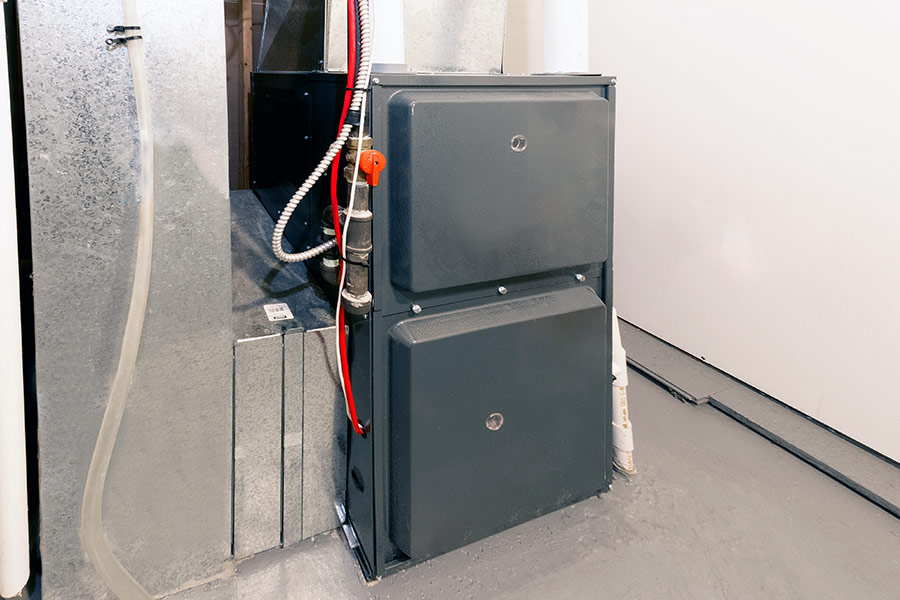
After addressing ignition control issues, another common problem you might encounter is a leaking furnace, which can lead to significant damage if not promptly fixed. A common cause is condensation buildup in high-efficiency furnaces. These units produce condensation that should drain away properly. Check the condensation drain line for blockages. If it’s clogged, clear the blockage to restore proper drainage.
Another frequent issue is drain blockage. Inspect the drain hose and make sure it’s free of debris. If necessary, use a wet/dry vacuum to clear any obstructions. Also, ensure the drain pan is intact and not cracked, as this can cause leaks.
A humidifier malfunction can also result in water leakage. If your furnace has an attached humidifier, inspect it for leaks or cracks. Confirm that the water supply line is securely connected and not leaking. Replace any damaged parts immediately to prevent further issues.
Safety first: Always turn off the power to your furnace before performing any inspections or repairs. If you’re uncomfortable handling these tasks, don’t hesitate to call a professional. Fixing leaks promptly ensures your furnace operates efficiently and safely, safeguarding your home from potential water damage.
Frequently Asked Questions
How Often Should I Schedule Professional Furnace Maintenance?
You should schedule professional furnace maintenance annually. This scheduling frequency guarantees safety and efficiency. Regular professional inspections bring maintenance benefits, like preventing breakdowns and extending your furnace’s lifespan, effectively serving your household’s comfort and safety needs.
What Are the Signs I Need to Replace My Furnace?
Signs you need to replace your furnace include age deterioration, increasing repairs, and inconsistent temperatures. If your unit is over 15 years old, frequently fails, and causes uneven heating, it’s time to contemplate a replacement for safety.
How Can I Improve My Furnace’s Energy Efficiency?
To enhance your furnace’s energy efficiency, install a programmable thermostat, change air filters regularly, and consider insulation upgrades. These steps guarantee peak performance, minimize energy waste, and promote a comfortable, safe environment for those you serve.
Are There Any Furnace Models That Are More Reliable Than Others?
When considering furnace reliability, compare brands, check warranty options, and read consumer reviews. Prioritize models with strong warranties and positive feedback to guarantee safety and efficiency, ultimately serving your household’s needs better.
What Safety Precautions Should I Take When Using My Furnace?
Perform regular ventilation checks to prevent blockages. Install carbon monoxide detectors and test them monthly. Know how to execute an emergency shutdown if you smell gas or suspect a malfunction. Safety first!
Conclusion
Imagine coming home to a cold house because your furnace won’t turn on. You could’ve prevented the issue by checking the thermostat and replacing a dirty filter. Addressing common furnace problems like this promptly safeguards your home’s comfort and safety. Regular maintenance, inspections, and quick fixes can keep your furnace running efficiently. Don’t wait for a breakdown; take action now to avoid costly repairs and maintain a cozy, safe environment.