Upgrade Your AC Unit
Upgrading your AC unit can greatly reduce summer energy bills by enhancing efficiency and performance. When you opt for a model with higher energy efficiency, you’re investing in a system that uses less power to cool your home, meaning significant savings on your electricity costs. Modern AC units come equipped with advanced technology designed to optimize energy use while maintaining ideal comfort levels.
Look for an AC system with features such as variable-speed motors, which adjust cooling output to precisely match your needs. This customization prevents the common issue of overcooling, minimizing energy waste. Additionally, newer models often include better insulation and more efficient compressors, further driving down energy consumption.
Smart integration is another key feature of modern air conditioners. These systems can connect to home automation networks, allowing you to control your AC remotely via smartphones or other devices. You can adjust settings while away from home, ensuring you’re not cooling an empty house. This level of control not only contributes to energy savings but also enhances your overall convenience and comfort.
Install Programmable Thermostats
While updating your AC unit greatly enhances energy efficiency, installing programmable thermostats offers another robust solution to effectively manage and reduce your summer energy costs. These devices allow you to set temperature schedules tailored to your daily routine, ensuring you’re not cooling an empty house or overheating your space when necessary.
By programming your thermostat to increase the temperature when you’re away and cool down before you return, you can markedly cut down on unnecessary energy use. This isn’t just about comfort; it’s about cost savings. You’ll see these savings reflected in detailed energy reports that many modern programmable thermostats provide. These reports help you understand your consumption patterns and tweak your settings to optimize efficiency further.
Moreover, the convenience of remote adjustments cannot be overstated. Whether you’re stuck at work late or heading home early, you can adjust your home’s temperature from your smartphone. This means no more worrying if you forget to change the settings before leaving the house. It’s practical and efficient and could substantially reduce your energy bills. Consider this investment seriously; it’s likely to pay off in comfort and savings.
Seal Windows and Doors
Sealing your windows and doors effectively blocks unwanted heat transfer, slashing your cooling costs during summer. Weather stripping materials are your first line of defense. These come in various forms, such as foam, felt, or rubber, and are easy to install around window frames and door edges. They compress to form a tight seal whenever windows and doors are closed, preventing cool air from escaping and hot air from entering.
Next, consider using draft stoppers. These handy devices are placed at the base of doors and can be made from materials like silicone or fabric filled with insulating substances. They’re particularly effective for sealing gaps where air leakage occurs under exterior doors.
Lastly, don’t overlook the importance of caulking gaps. Inspect your windows and doors for cracks or openings in the framing. Using a caulking gun, apply silicone-based caulk to these areas. This not only seals out hot air but also prevents moisture damage, which could lead to bigger problems down the line.
Enhance Attic Insulation
After addressing window and door leaks, it’s important to focus on enhancing attic insulation to reduce energy costs. Insufficient attic insulation can lead to significant energy loss, especially during the hot summer months when your air conditioner is working overtime to keep your home cool.
Start by evaluating your existing insulation materials. Typically, fiberglass, cellulose, and foam are effective options. You’ll want to ensure that the insulation’s R-value, which measures its thermal resistance, is appropriate for your climate. In most cases, a higher R-value means better insulation performance.
Adding radiant barriers can be a game-changer in your attic. These barriers reflect heat rather than absorb it, helping to maintain a cooler attic space and, consequently, a cooler home. They are particularly effective in sunny climates where roofs receive significant direct sunlight.
Don’t overlook the importance of proper attic ventilation. Ventilation improvements can help expel hot air that accumulates in your attic, preventing it from seeping into your living spaces. This can be achieved through various means, such as installing ridge vents, soffit vents, or even powered attic ventilators.
Use Ceiling Fans Effectively
Utilize ceiling fans to enhance your home’s cooling efficiency and greatly reduce air conditioning costs. By understanding how to use fans effectively, you can maximize their benefits. First, consider the fan rotation direction. During summer, set your ceiling fans to rotate counterclockwise. This pushes cool air down, creating a wind chill effect that makes you feel cooler. Adjusting this setting as the seasons change is crucial to maintain peak comfort.
Another critical factor is the ideal fan speed. On hot days, a higher speed generates a significant breeze that helps evaporate sweat and lower body temperature. Conversely, a lower speed should suffice on milder days, reducing energy usage while still circulating air.
Strategic fan placement plays a pivotal role in maximizing efficiency. Place fans in the most commonly used rooms to concentrate cooling where needed, avoiding wasted energy in unoccupied spaces. Guarantee fans are positioned to circulate air around the whole room. Avoid corners where their effect will be minimized.
Maintain Regular AC Servicing
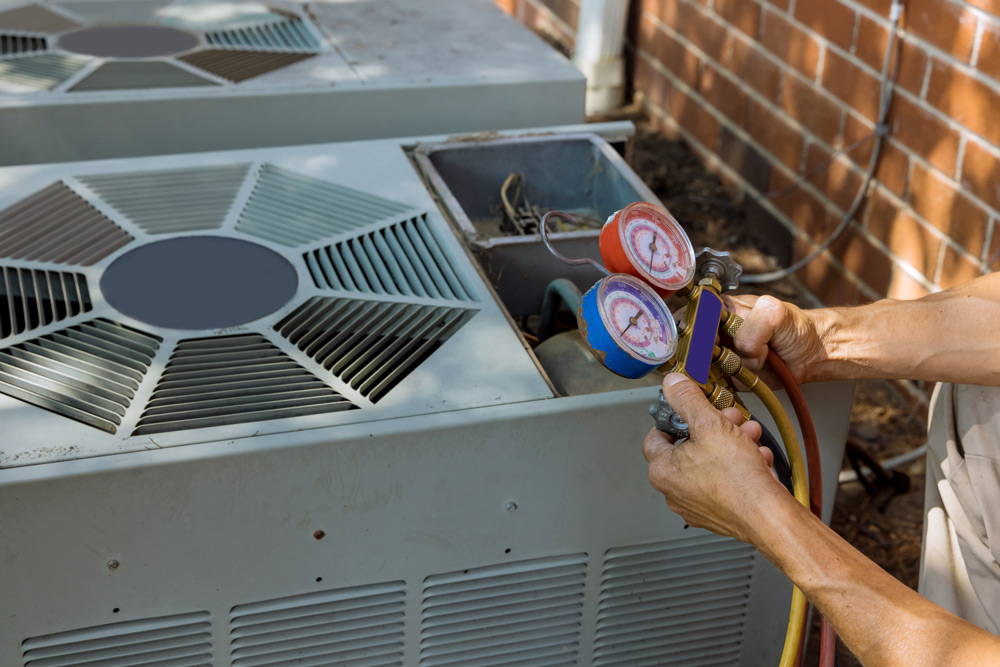
Regular maintenance of your air conditioner not only guarantees it runs efficiently but also greatly lowers your energy bills during summer. The process begins with routine filter replacements, a simple yet critical task. Clogged or dirty filters make your AC work harder, which spikes energy consumption. Replacing them every few months will keep your system running smoothly and reduce unnecessary strain.
Next, condenser cleaning is crucial. The condenser unit, typically located outside, is exposed to various elements that can impede its function. Dirt, leaves, and debris can accumulate, obstructing airflow and decreasing efficiency. A clean condenser ensures your AC operates at peak efficiency, minimizing energy use and extending the unit’s lifespan.
Finally, don’t overlook efficiency testing. This is a thorough check-up that assesses how well your AC is performing. It identifies potential issues, such as coolant leaks or inefficiencies in the ductwork, that could be costing you extra money. Regular efficiency tests help you catch problems early, preventing costly repairs and ensuring top-notch performance.
Adhering to these maintenance steps will not only boost your AC’s efficiency but also contribute to significant savings on your summer energy bills. Take action now to enjoy a cooler, more cost-effective season.
Opt for LED Lighting
Switching to LED lighting is another effective strategy to reduce summer energy bills. LEDs are not just economical; they’re a smart choice for a sustainable lifestyle. By opting for LED lighting, you’re cutting down on costs and contributing to a healthier environment. Here’s why you should consider making the switch:
- Lower energy consumption: LED lights consume up to 90% less power than traditional incandescent bulbs. This drastic reduction in energy usage directly translates to lower electricity bills.
- Long lifespan: LEDs have a longer operational life, meaning you won’t need to replace them as often as other bulbs. This reduces the long-term cost and inconvenience of frequent replacements.
- Less heat emission: Unlike other bulbs, LEDs emit very little heat. This means your air conditioning won’t have to work overtime to compensate for extra heat, saving you even more during the hot summer months.
- Versatile designs: LEDs come in a range of sizes and styles, offering lighting alternatives that can fit any room or mood.
- Dimmable options: Many LED lights come with dimmable features, allowing you to adjust the brightness to your preference, further optimizing energy use.
Cook Outdoors
While upgrading to LED lighting greatly lowers your energy consumption, cooking outdoors during the summer can further reduce your reliance on indoor appliances, reducing energy use and costs. Grilling benefits go beyond savory flavors; it’s a highly energy-efficient cooking method. When you use your indoor oven or stove, these appliances emit heat that increases your home’s indoor temperature. Consequently, your air conditioning system has to work harder, consuming more energy to cool down your house.
By shifting your cooking to an outdoor kitchen, you’re enjoying the fresh air and notably reducing the heat buildup indoors, which can lead to lower air conditioning usage and energy bills. Depending on your lifestyle and budget, outdoor kitchens can be simple, with just a grill and some basic utensils, or more elaborate, with additional features like smokers and refrigerators.
Additionally, smart meal planning can enhance the benefits of outdoor cooking. Planning meals that can be cooked simultaneously or using the residual heat of the grill for warming food can further optimize energy use by being strategic about when and how you cook; you’re not just saving on energy costs but also making the most of your outdoor cooking investment.
Manage Appliance Usage
You can greatly reduce your summer energy bills by managing when and how you use household appliances. Utilizing smart strategies such as energy audits and leveraging smart plugs can lead to significant savings. Most importantly, understanding and using your appliances during off-peak hours can further reduce costs.
Here are practical steps you can take:
- Schedule High-Energy Tasks: Plan to use appliances like washers, dryers, and dishwashers during off-peak hours. These are typically early morning or late evening.
- Use Smart Plugs: Invest in smart plugs to control appliances remotely. This lets you turn them off when not in use, preventing unnecessary power consumption.
- Conduct Energy Audits: Regular audits help identify which appliances are energy hogs. You might discover that upgrading or adjusting usage can save you a bundle.
- Adjust Appliance Settings: Opt for energy-saving modes available on many modern appliances. These settings optimize performance and reduce energy use.
- Maintain Your Appliances: Regular maintenance ensures appliances run efficiently. A malfunctioning appliance can use more power than necessary, straining your wallet unnecessarily.
Incorporating these strategies into your daily routine can make a noticeable difference in your energy bills without sacrificing comfort or convenience. Additionally, taking advantage of special offers on energy-efficient systems or services can further enhance your savings while ensuring optimal home comfort.
Invest in Solar Screens
Solar screens can greatly reduce your home’s cooling costs during the hot summer. These specially designed screens are crafted from materials optimized to block a significant portion of the sun’s heat and glare before they penetrate your windows. By intercepting solar energy outside, these screens enhance your home’s solar efficiency, preventing your air conditioning system from overworking and lowering energy consumption.
Solar screens are available in various densities and materials, each offering different levels of heat blocking. The choice of screen material affects the efficiency of heat reduction, visibility, and light transmission. A denser material might provide better protection against heat but can reduce natural light and visibility. You must balance your needs for temperature control with your preference for natural lighting.
The installation benefits are immediate. Once installed, solar screens start working immediately, reflecting and absorbing solar heat. This helps maintain a cooler indoor environment and protects your furniture and flooring from sun damage. Additionally, they’re a cost-effective solution compared to other window treatments aimed at energy conservation. Investing in quality solar screens is a practical step toward achieving lower energy bills and enhanced indoor comfort.
Conclusion
By harnessing these strategies, you’ll not only cool down your bills but also enhance your home’s energy efficiency. Think of your AC unit as a knight in shining armor, bravely protecting your castle from the heat’s siege. Regularly upgrading systems, using smart thermostats, and adopting efficient habits, like cooking outdoors, will keep your stronghold comfortably cool without draining your coffers. Embrace these changes; your wallet and the planet will thank you.