As summer approaches, the rising temperatures and humidity present a significant challenge for homeowners aiming to maintain a comfortable living environment. The relentless heat affects our daily comfort and strains conventional cooling systems, increasing energy consumption and utility bills. Heat pumps emerge as an innovative and efficient solution to the summer heat dilemma in this scenario. Unlike traditional cooling systems that generate cool air, heat pumps transfer heat from inside your home to the outdoors, effectively cooling your living space without the high energy costs associated with conventional air conditioners. What sets heat pumps apart is their remarkable dual functionality; they provide cooling in the summer and heating in the winter, making them a versatile and year-round solution for climate control. This introduction to heat pumps will explore how they can be your ally in achieving summer comfort while being mindful of energy use and costs.
Understanding Heat Pumps
Understanding heat pumps is crucial for anyone looking to enhance their home’s heating and cooling efficiency. At their core, heat pumps transfer heat from one place to another using a small amount of energy. This process involves moving heat from a cooler to a warmer space, making the cooler and warmer spaces warmer. Unlike traditional heating or cooling systems that generate heat, heat pumps simply move existing heat, which makes them incredibly energy efficient. One important aspect of maintaining the efficiency of your heat pump is by ensuring it stays clean. Let’s explore some effective ways to clean your heat pump and keep it running smoothly.
Key Components of Heat Pumps:
- Compressor: Increases the temperature of the refrigerant.
- Condenser: Releases the absorbed heat to the outside air.
- Expansion Valve: Regulates the flow of refrigerant into the evaporator.
- Evaporator: Absorbs heat from the indoor air.
Types of Heat Pumps
Air-source Heat Pumps
Air-source heat pumps are the most common type, designed to extract heat from the outdoor air, even in cold weather. They’re suitable for a wide range of climates and are known for their ease of installation and lower upfront cost.
Ground-source (Geothermal) Heat Pumps
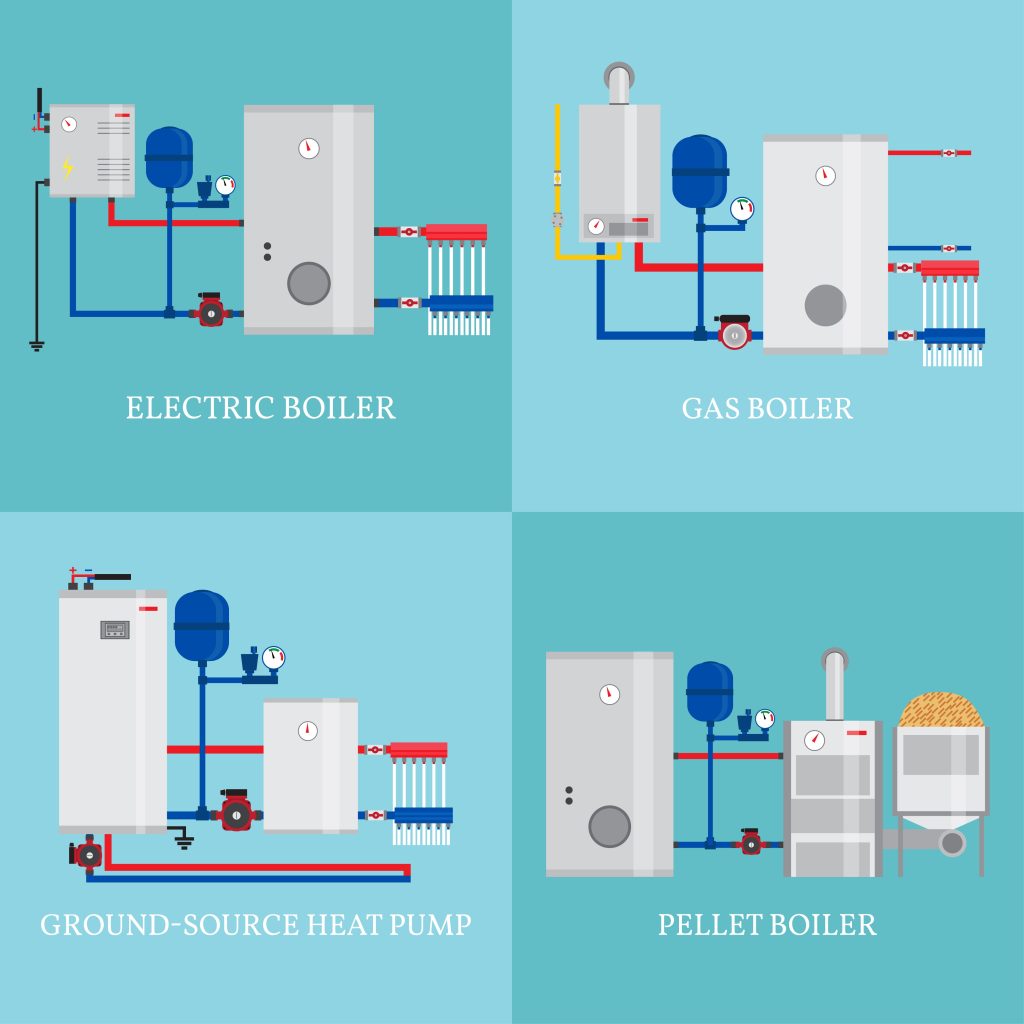
Ground-source heat pumps utilize the ground’s stable temperature to heat and cool your home. They involve burying a loop of underground pipes and circulating a fluid that absorbs or dissipates heat. While more expensive to install, they offer higher efficiency and lower operating costs over time, making them ideal for climates with extreme weather conditions.
Water-source Heat Pumps
These systems use a body of water, such as a lake or a well, as a heat exchange medium. Water-source heat pumps are highly efficient due to the consistent temperature of the water source. They’re particularly suitable for homes or buildings near a water source and can offer an economical and environmentally friendly heating and cooling solution.
Differences and Best Use Cases
The choice between air-source, ground-source, and water-source heat pumps largely depends on your geographic location, the specifics of your property, and budget considerations. Air-source units are versatile and cost-effective for moderate climates. In contrast, with higher installation costs, ground-source systems are more suited for areas with extreme temperatures, offering long-term savings and environmental benefits. Water-source heat pumps, while niche, provide an efficient option for those with access to a suitable water source, combining high efficiency and lower energy consumption.
How Does a Heat Pump Work in Summer?
During the sweltering summer months, the ability of heat pumps to provide relief from the heat is nothing short of remarkable. The process hinges on a clever heat exchange mechanism, utilizing a refrigerant—a substance chosen for its thermal properties—to absorb and release heat where needed.
Here’s how it unfolds:
- Heat Absorption Indoors: The journey begins inside your home, where the heat pump’s evaporator coil comes into play. The refrigerant within this coil absorbs the warm indoor air, transforming from a low-pressure liquid into a gas. This phase change allows the refrigerant to capture heat effectively.
- Heat Transfer: Once the refrigerant has absorbed the heat, it’s compressed by the pump’s compressor. This compression increases the pressure and temperature of the refrigerant, preparing it for heat release.
- Heat Release Outdoors: The now-hot gas travels to the outdoor unit’s condenser coil. Here, the refrigerant releases the absorbed heat into the outdoor air, aided by a fan that disperses the heat away from the unit. During this process, the refrigerant cools down and reverts to a liquid state, ready to cycle back indoors and start the process anew.
- Cycle Continuation: An expansion valve controls the flow of the refrigerant back into the evaporator, where the pressure drops and the cycle of absorbing indoor heat begins again.
This cyclical process allows heat pumps to cool homes efficiently. Compared to traditional air conditioning systems, which require significant energy to cool air, heat pumps merely transfer existing heat, requiring less energy. This distinction makes heat pumps more environmentally friendly and cost-effective, offering substantial savings on energy bills over time.
Benefits of Using Heat Pumps for Summer Comfort
Heat pumps offer many benefits for homeowners seeking a sustainable and efficient way to maintain comfort during the hot summer. From reducing energy consumption to improving indoor air quality to keep your home healthy, heat pump advantages are substantial and varied.
Energy Efficiency and Lower Operating Costs
One of the most compelling reasons to choose a heat pump for summer cooling is its superior energy efficiency. Heat pumps transfer heat rather than generate it from scratch, requiring significantly less electrical energy. This efficiency translates directly into lower operating costs for homeowners. Compared to traditional air conditioners, heat pumps can reduce electricity use for cooling by up to 50%. Over time, these savings can offset the initial investment in a heat pump system, making it a financially smart choice for long-term cooling needs.
Environmental Benefits (Reduced Greenhouse Gas Emissions)
In addition to economic savings, heat pumps also offer environmental advantages. By optimizing energy use, heat pumps emit fewer greenhouse gases compared to conventional heating and cooling systems. This reduction in carbon footprint is crucial in the global effort to combat climate change. Furthermore, as the electricity grid becomes increasingly powered by renewable sources, the environmental impact of using heat pumps will continue to decrease, making them an even greener option for the future.
Versatility and Year-Round Use (Cooling in Summer, Heating in Winter)
Heat pumps are not just for summer; they offer a versatile, all-in-one solution for cooling and heating. This dual functionality means homeowners can enjoy comfortable indoor temperatures year-round with a single system. Transitioning between modes is straightforward, ensuring effortless comfort regardless of the season.
Improved Indoor Air Quality and Humidity Control
Heat pumps contribute to healthier indoor environments by maintaining optimal humidity levels and improving air quality. Unlike traditional cooling systems, which can circulate dust and allergens, heat pumps are designed to filter and purify the air as they operate. This feature is particularly beneficial for individuals with allergies or respiratory issues, making heat pumps a wise choice for anyone prioritizing indoor air quality.
Together, these benefits underscore why heat pumps are increasingly recognized as superior for maintaining summer comfort. Their efficiency, environmental friendliness, versatility, and health benefits make them an ideal solution for modern homes.
Installation and Maintenance
The successful installation of heat pumps and ongoing maintenance are pivotal to harnessing their full potential for energy efficiency and comfort. Several key factors must be considered before diving into the installation process to ensure your heat pump system operates optimally.
Factors to Consider Before Installation
- Home Size: The size of your home directly influences the capacity of the heat pump needed. An undersized unit won’t adequately cool or heat your space, while an oversized unit can lead to inefficiency and increased wear.
- Climate: The effectiveness of a heat pump can vary based on your local climate. While modern heat pumps are increasingly efficient in various temperatures, specific models are better suited for extreme cold or heat.
- Insulation: Good insulation reduces the overall demand on the heat pump, enhancing efficiency. Before installation, assess and upgrade insulation and air sealing, if necessary, to maximize the benefits of your new system.
The Importance of Professional Installation and Sizing
Professional installation is non-negotiable for heat pumps. Correct sizing and installation are critical to achieving the system’s maximum efficiency and lifespan. An experienced HVAC professional can assess your home’s specific needs and recommend the appropriate type and size of the heat pump, ensuring it is tailored to your environment and living conditions.
Regular Maintenance Tips
Regular maintenance is essential to maintain efficiency and prolong the lifespan of your heat pump. Key tips include:
- Cleaning or replacing the air filters regularly to ensure unobstructed airflow.
- Check the outdoor unit for debris or blockages and keep it clean.
- Scheduling annual professional check-ups to diagnose and fix potential issues before they escalate.
Challenges and Considerations
While heat pumps present an efficient and versatile solution for heating and cooling, there are several challenges and considerations to remember. Understanding these aspects can help homeowners make informed decisions and maximize their investment in a heat pump system.
Initial Investment and Cost Comparison
The upfront cost of a heat pump system can be higher than traditional heating and cooling systems. This initial investment includes the purchase price of the unit and the installation costs. However, it’s essential to consider the long-term savings on energy bills due to the higher efficiency of heat pumps. Over time, these savings can offset the initial higher cost, making heat pumps a cost-effective choice in the long run.
Limitations in Extremely Hot or Cold Climates
Heat pumps are most efficient in moderate climates. In regions with extreme temperatures, their efficiency can decrease. However, solutions exist for these challenges. Hybrid systems, which combine heat pumps with gas furnaces or electric heaters, can provide efficient heating in cold climates by switching to the most efficient mode based on the temperature. Similarly, newer models of heat pumps are designed to operate more effectively in extreme heat, expanding their usability across a broader range of climates.
Common Misconceptions and How to Overcome Them
A common misconception is that heat pumps are only suitable for heating. In reality, they offer both heating and cooling solutions, making them a versatile year-round option. Another misconception is that heat pumps cannot work in cold climates. Technological advances have significantly improved heat pump performance in cold weather, with many models now operating efficiently in sub-zero temperatures.
Embrace the Efficiency and Comfort of Heat Pumps
In summary, heat pumps are a superior solution for maintaining comfort during the hot summer. Their ability to efficiently transfer heat, rather than generate it, offers significant savings on energy bills and reduces environmental impact. With the versatility to provide cooling in summer and heating in winter, along with benefits like improved indoor air quality, heat pumps represent a sustainable choice for modern homes. We encourage homeowners to consider the long-term advantages of heat pumps for their cooling needs. Consult with a professional HVAC technician to explore heat pump solutions tailored to your specific requirements, ensuring optimal comfort and efficiency in your home.