Like the ticking clock of a well-tuned engine, the regular maintenance of your air filters plays an essential role in the overall health of your home. How often should you change these filters to keep your indoor air quality in check? Experts have varying recommendations, but the correct answer can depend on several factors unique to your household. Let’s explore what you need to know to guarantee that you breathe the cleanest air possible while optimizing your HVAC system’s performance.
Importance of Air Filters
Air filters are essential in maintaining indoor air quality and overall system efficiency. They capture dust, allergens, and other particles, preventing them from circulating throughout your living space. This process not only enhances the air you breathe but also contributes to the longevity of your HVAC system. Using effective air filters reduces the strain on your system, allowing it to run more efficiently and potentially lowering your energy bills.
Moreover, clean air filters help minimize the risk of respiratory issues, especially for vulnerable individuals like children and the elderly. By ensuring that your indoor environment is free from harmful pollutants, you actively contribute to the well-being of those around you.
Regularly changing your air filters is crucial for maintaining their effectiveness. Clogged filters can impede airflow, forcing your system to work harder, and leading to premature breakdowns. To serve others effectively, stay vigilant about filter maintenance and encourage those in your care to do the same. By prioritizing air quality through proper filtration, you’re not just enhancing comfort but fostering a healthier, safer living environment for everyone.
Types of Air Filters
Choosing the correct air filter type can significantly impact indoor air quality and HVAC system performance. Understanding the various available options allows you to make an informed decision that meets your needs.
Here are some common types of air filters you should consider:
- Fiberglass Filters are inexpensive and effective for basic dust and dirt filtration but offer minimal allergen removal.
- Pleated Filters: Made from polyester or cotton, these filters capture smaller particles and allergens and provide better filtration than fiberglass.
- HEPA Filters: High-efficiency particulate Air filters are designed to trap 99.97% of particles, including pollen, pet dander, and smoke. They’re ideal for allergy sufferers.
- Electrostatic Filters: These filters use static electricity to attract and trap particles, offering a reusable option that can be washed and maintained over time.
Each type of filter has its advantages and limitations. You’ll need to assess your budget, specific air quality concerns, and how frequently you want to change or clean your filters. Making the correct choice guarantees maintaining a healthy indoor environment while optimizing your HVAC system’s efficiency.
Recommended Change Intervals
Regularly changing your air filters is vital for maintaining ideal indoor air quality and HVAC efficiency. To guarantee peak performance, adhere to recommended change intervals based on filter type and household conditions. Standard fiberglass filters should generally be replaced every 1 to 3 months, while pleated filters, which offer better filtration, typically require changing every 3 to 6 months.
If you have pets or live in a high-pollen area, consider changing your filters more frequently—every 1 to 2 months. These conditions increase dust, allergens, and pet dander, causing filters to clog faster. For HEPA filters, which are more efficient at capturing fine particles, the recommended interval is usually every 6 to 12 months, depending on usage.
In addition to these general guidelines, always check your filters monthly for visible dirt or damage. Remember, a clean filter improves air quality and enhances your HVAC system’s efficiency, potentially lowering energy costs. By adhering to these change intervals, you contribute to a healthier environment for those you serve while prolonging the lifespan of your HVAC system.
Factors Affecting Filter Lifespan
Several factors influence how often you must change your air filters. By understanding these variables, you can guarantee better air quality and system efficiency, ultimately serving those who rely on your home’s comfort.
- Household Size: More people can mean more dust and allergens, requiring frequent filter changes.
- Pets: If you have furry friends, their dander and hair can clog filters faster, necessitating earlier replacements.
- Location: Living in a dusty or pollen-heavy area can impact filter lifespan, as outdoor particles can infiltrate your home.
- HVAC System Usage: Higher usage during extreme weather can lead to quicker filter saturation.
Signs You Need a Change
Recognizing the signs that you need to change your air filters is vital for maintaining ideal air quality and system performance. One of the most noticeable indicators is a decline in airflow. If you feel weak or restricted airflow from your vents, it’s likely due to a clogged filter. Additionally, pay attention to your energy bills. A sudden increase can signal that your HVAC system is working harder than necessary, often due to dirty filters.
You should also monitor the air quality in your home. If you notice an uptick in dust accumulation or persistent allergies, it may be time for a filter change. Another clear sign is discoloration; if your filter appears grayish or dirty, it’s overdue for replacement. Finally, if you’ve recently renovated or completed construction, changing your filters promptly is essential, as construction debris can quickly clog them.
How to Change Filters
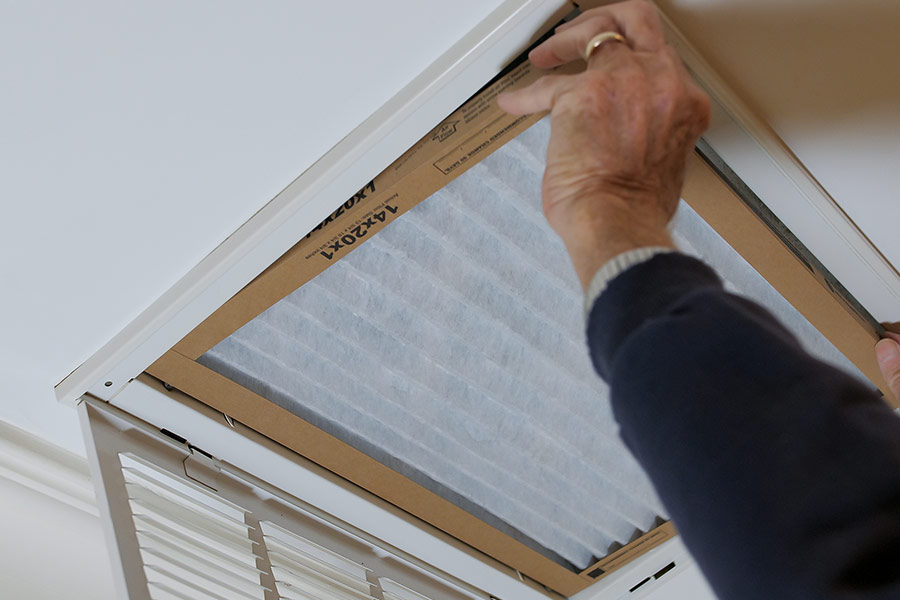
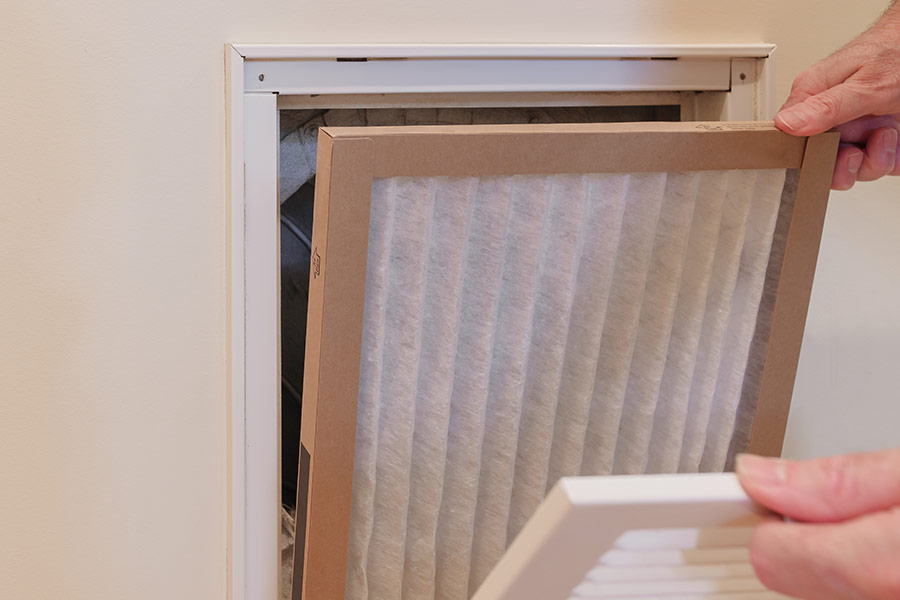
Changing your air filters is a straightforward task that can significantly enhance your HVAC system’s efficiency and your home’s air quality. To guarantee you’re doing it correctly, follow these steps:
- Turn off your HVAC system: Safety first! Always switch off the power to your system before you begin.
- Locate the filter: Look for the filter compartment, usually near the air handler or return air duct. If you’re unsure, refer to your unit’s manual.
- Remove the old filter: Carefully slide out the old filter. Note its size and orientation for replacement.
- Install the new filter: Insert the new filter, assuring the airflow direction matches the arrows on the filter frame.
After changing the filter, turn your HVAC system back on and monitor its performance. Regularly changing your filters not only maintains air quality but also extends the lifespan of your system. Make it a habit to check your filters monthly and replace them as needed. This simple maintenance task contributes to a healthier environment for yourself and those you serve.
Benefits of Regular Changes
When you regularly change your air filters, you enhance your HVAC system’s efficiency and improve the overall air quality in your home. Clean filters allow your system to operate without unnecessary strain, reducing energy consumption and potentially lowering your utility bills. Furthermore, trapping dust, allergens, and other particulates creates a healthier living environment for your family.
Regular filter changes also extend the lifespan of your HVAC system. When filters are clogged, your system works harder to circulate air, leading to increased wear and tear. This can result in costly repairs or premature replacement. By making it a routine to change filters, you’re proactively safeguarding your investment.
Additionally, improved air quality can significantly benefit those with respiratory issues or allergies. Cleaner air can reduce the presence of irritants, leading to fewer health problems and an overall enhanced quality of life.
DIY vs. Professional Help
While you might feel confident tackling air filter changes, knowing when to seek professional help is vital for maintaining your HVAC system’s efficiency. While regularly replacing air filters is essential, there are times when a professional’s expertise can make a significant difference.
Consider these factors when deciding between DIY and professional help:
- Complex Systems: A professional can guarantee everything operates smoothly if your HVAC system is complex or has multiple components.
- Air Quality Issues: Persistent air quality problems may indicate underlying issues that require expert diagnosis and repair.
- Maintenance Records: A professional can provide a thorough evaluation and recommendations if you lack a consistent maintenance record.
- Time Constraints: If you’re short on time or unsure about the process, hiring a professional can save effort and ensure proper execution.
Balancing DIY efforts with professional assistance can enhance your HVAC system’s performance. Regular filter changes can be a simple task, but knowing when to bring in a pro can help you better serve your home and family.
Cost Considerations
Understanding the costs associated with air filter changes can help you make informed decisions about your HVAC maintenance. The price of air filters varies greatly, typically ranging from a few dollars for basic models to upwards of $30 or more for high-efficiency filters. Consider how often you’ll need to replace them; standard filters generally require changing every one to three months, while high-efficiency models may last up to six months.
When budgeting, factor in the cost of the filters and any potential savings on your energy bills. A clean filter allows your HVAC system to run more effectively, lowering energy consumption and costs. Neglecting filter changes can increase wear on your system, resulting in higher repair or replacement expenses.
If you hire a professional for installation or maintenance, include these service costs in your budget. While this might add to your expenses, professional help can guarantee your system operates at peak performance and extends its lifespan. Evaluating these costs can ultimately guide you toward a more effective and economical HVAC maintenance plan.
Maintaining Indoor Air Quality
Maintaining indoor air quality is essential for your health and comfort, especially since you spend a lot of time indoors. Poor air quality can lead to various health issues, including allergies, respiratory problems, and fatigue. To guarantee a healthy environment, consider the following strategies:
- Regularly Change Air Filters: To enhance air circulation and reduce pollutants, replace your air filters every 1 to 3 months, depending on usage and filter type.
- Use High-Quality Filters: Invest in HEPA or MERV-rated filters, which effectively capture smaller particles and allergens, improving overall air quality.
- Ventilate Your Space: Open windows and doors when weather permits to allow fresh air in and help reduce indoor pollutants.
- Monitor Humidity Levels: Keep humidity between 30-50% to prevent mold growth and dust mites, which thrive in damp conditions.
Conclusion
Keeping your air filters fresh is key to ensuring your home’s air quality remains excellent. Like a well-oiled machine, your HVAC system runs better with regular maintenance. By staying aware of the recommended change intervals and monitoring your environment, you can breathe easier and enhance your system’s efficiency. Don’t wait for a dust storm to remind you; make filter changes a routine part of your home care to enjoy healthier air year-round.
Frequently Asked Questions
Can Air Filters Improve Allergy Symptoms in My Home?
Yes, air filters can significantly improve allergy symptoms in your home. By trapping dust, pollen, and other allergens, they help create a cleaner environment, reducing triggers that can cause discomfort and respiratory issues for you and your family.
How Do I Know Which Filter Size to Buy?
When it comes to air filters, you’ve got to measure twice and cut once. Check your current filter for size specifications often listed on the frame. Alternatively, consult your HVAC system’s manual for accurate dimensions.
Do Air Purifiers Require Different Filter Change Schedules?
Yes, air purifiers do require different filter change schedules. It depends on the model and usage. Always check the manufacturer’s guidelines, as some filters last longer than others, influencing your maintenance routine considerably.
Can I Clean and Reuse My Air Filters?
About 15% of indoor air pollutants originate from dirty filters. While some reusable filters can be cleaned, most standard ones aren’t designed for that. For ideal air quality, it’s often more effective to replace them regularly.
What Happens if I Forget to Change My Filter?
If you forget to change your filter, airflow decreases, leading to higher energy bills and reduced efficiency. Dust and allergens can also circulate, impacting indoor air quality and potentially damaging your HVAC system.