Central air conditioning provides consistent temperature control, enhances indoor air quality, and improves energy efficiency, ensuring your home remains a comfortable and healthy sanctuary. You’ll appreciate this system’s quiet operation, increased home value, and whole-home coverage. It also supports a modern, convenient lifestyle by reducing allergens and integrating seamlessly with smart home technology. Curious about how these benefits translate into cost savings over time and what makes central air conditioning a hassle-free solution? There’s much more to explore on why this could be a perfect upgrade for your home.
Consistent Temperature Control
One of the primary advantages of central air conditioning systems is maintaining a consistent temperature throughout your home. You can achieve thermostatic stability by setting a desired temperature, and the system will automatically regulate itself to maintain that level. This precise control guarantees that every room in your home is kept at a uniform temperature, eliminating hot and cold spots. According to the U.S. Department of Energy, central air conditioning can save up to 30% on cooling costs compared to individual window units.
A central air conditioning system promotes heat balance by distributing cooled air evenly through a network of ducts and vents. The advanced technology in these systems allows for fine-tuned adjustments to ensure the temperature remains stable, regardless of external weather conditions. This control level helps maintain climate consistency, which is particularly beneficial for homes with multiple floors or large open spaces.
Enhanced Indoor Air Quality
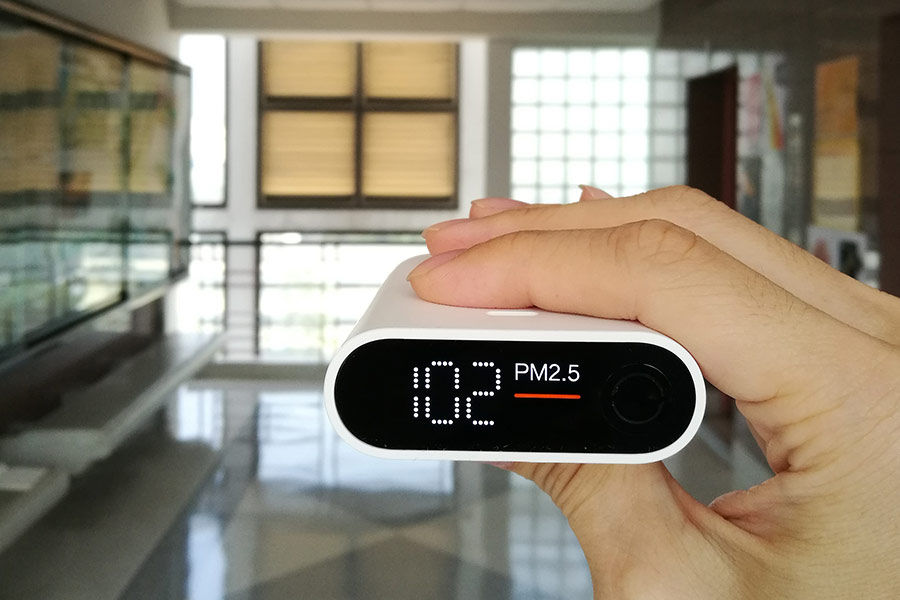
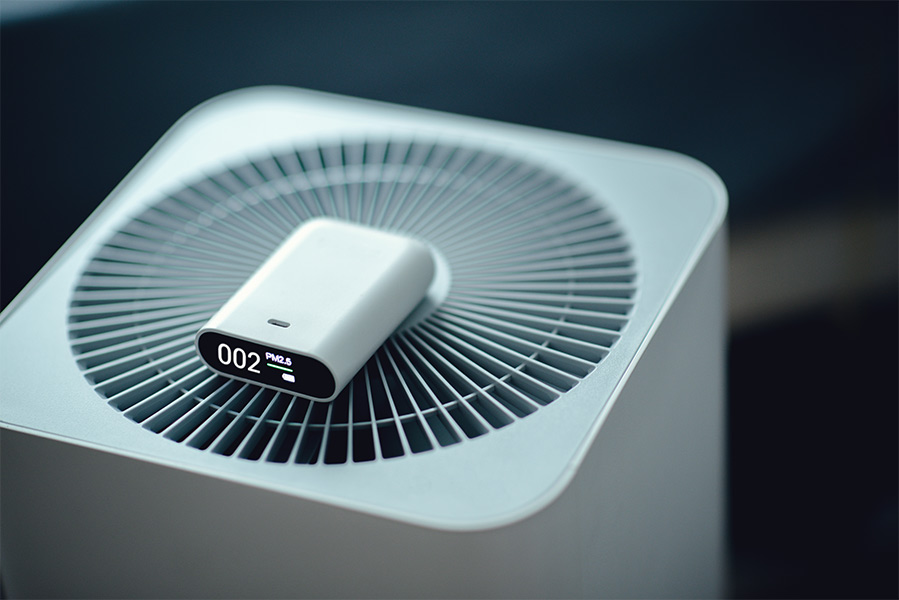
With cutting-edge filtration systems, central air conditioning units greatly enhance indoor air quality by removing pollutants, allergens, and other airborne particles. These systems utilize advanced air purification technologies to guarantee that the air circulating within your home is clean and safe. High-efficiency particulate air (HEPA) and activated carbon filters capture microscopic contaminants, reducing the risk of respiratory issues and allergies.
Regular filter replacement is essential to maintain peak performance. Over time, filters can become clogged with trapped particles, diminishing their effectiveness. Adhering to a strict filter replacement schedule guarantees that your ventilation system continues to provide superior air purification. This not only improves air quality but also prolongs the lifespan of your central air conditioning unit.
Additionally, a well-designed ventilation system is important in enhancing indoor air quality. Effective ventilation systems promote the continuous exchange of indoor and outdoor air, preventing the buildup of stale air and reducing indoor pollutants. By integrating these advanced filtration and ventilation technologies, central air conditioning systems offer a comprehensive approach to air purification, making your home a healthier environment for everyone. Investing in such systems demonstrates a commitment to serving the well-being of your household.
Improved Energy Efficiency
Central air conditioning systems greatly enhance energy efficiency using advanced technologies such as variable-speed compressors and smart thermostats. These advanced compressors adjust their speed based on the cooling demand, ensuring your system operates at peak efficiency. Instead of running at full capacity all the time, they modulate to provide the precise amount of cooling needed. This results in significant energy savings and reduces wear and tear on the equipment, extending its lifespan.
Modern thermostats further contribute to energy efficiency. Smart thermostats learn your schedule and preferences, automatically adjusting the temperature to maximize comfort and efficiency. They can be controlled remotely, allowing you to make real-time adjustments even when you’re away from home. These thermostats help you avoid excessive energy consumption by fine-tuning your cooling needs.
Additionally, central air systems distribute cool air evenly throughout your home, eliminating the need for multiple units and ensuring consistent temperatures. This uniformity reduces the likelihood of overcooling or undercooling different areas, enhancing energy efficiency. By investing in a central air conditioning system with these advanced features, you’re not just improving comfort but also making a responsible choice that serves your household and the environment.
Quiet Operation
Because modern central air conditioning systems are designed with noise-reducing technologies, they operate much more quietly than traditional window or portable units. Utilizing advanced compressors and insulated cabinets, these systems provide silent cooling, creating a tranquil indoor environment. By minimizing operational noise, central air conditioners guarantee that your household experiences minimal disturbance, making it easier to focus on daily tasks or simply enjoy a peaceful atmosphere. The World Health Organization recommends noise levels below 30 decibels for optimal sleep, which modern central systems can achieve.
You’ll appreciate the sophisticated engineering that goes into these systems. Features such as variable-speed fans and noise-dampening materials work in concert to achieve peak noise reduction. This means the unit can adjust its cooling capacity without generating disruptive sounds, maintaining comfort levels without intruding on your quiet time.
For those committed to serving others, whether it’s ensuring a peaceful home for family members or creating a serene environment for guests, the quiet operation of central air conditioning is invaluable. It eliminates the constant hum and vibration associated with older units, allowing for uninterrupted conversations, better sleep quality, and generally more pleasant living space. With central air conditioning, you can provide a cooling solution prioritizing comfort and tranquility.
Increased Home Value
In addition to providing a tranquil indoor environment, modern central air conditioning systems can greatly enhance your home’s market value by offering an efficient and desirable cooling solution. Homebuyers are increasingly looking for properties requiring minimal upgrades and delivering maximum comfort. Installing a central air conditioning system addresses this market demand and markedly boosts your home’s buyer appeal. The National Association of Realtors states that homes with central air conditioning can sell for up to 13% more than those without.
Here’s how central air conditioning can increase your home’s value:
- Buyer Appeal: Properties with central air conditioning are often more attractive to potential buyers, making your home stand out in a competitive real estate market.
- Market Demand: As energy-efficient and modern HVAC systems become the norm, homes without central air conditioning may be harder to sell. Meeting this demand ensures your home remains competitive.
- Investment Potential: Installing a central air conditioning system is a solid investment. It improves your quality of life and offers a substantial return on investment when you decide to sell.
- Energy Efficiency: Modern central air systems are far more energy-efficient than older models or window units, which can be a notable selling point for environmentally conscious buyers.
Better Humidity Control
Modern central air conditioning systems provide better humidity control, ensuring your home maintains ideal indoor air quality and comfort year-round. These systems greatly contribute to mold prevention by effectively regulating indoor humidity levels. Excess moisture in the air can create a breeding ground for mold, which poses health risks and can damage your home’s structure. Central air conditioning units are designed to extract moisture from the air, reducing mold growth potential.
Moreover, moisture reduction is critical for maintaining a comfortable living environment. High humidity levels can make your home feel warmer than it is, leading to discomfort. Central air conditioning systems enhance your overall comfort by lowering the humidity. You’ll notice that your home feels cooler and less sticky, even on the most humid of days. The American Society of Heating, Refrigerating, and Air-Conditioning Engineers (ASHRAE) recommends keeping indoor humidity levels between 30-60% for optimal comfort.
Additionally, better humidity control extends beyond comfort and protects your home’s furnishings and finishes. Excess moisture can warp wooden furniture, peel paint, and cause other damage. By maintaining ideal humidity levels, central air conditioning systems help preserve the integrity of your home’s interior, ensuring a healthier and more comfortable living space for you and your family.
Whole-Home Coverage
Have you ever wondered how central air conditioning systems guarantee consistent and efficient temperature control throughout your home? The key lies in their ability to provide whole-home coverage, ensuring every room benefits from ideal air distribution. Here’s how this system works for you and your household:
- Zone Customization: Central air conditioning systems allow you to customize temperatures in different areas of your home. You can assign specific temperatures to each room or zone through zoning, providing tailored comfort for everyone under your roof.
- Uniform Air Distribution: These systems utilize a network of ducts to distribute cooled air evenly throughout your home. This ensures that every room, from the basement to the attic, maintains a consistent, comfortable temperature.
- Easy Maintenance: Central air conditioning systems are designed for straightforward upkeep. Regular filter changes and occasional professional check-ups keep the system running smoothly, minimizing the risk of breakdowns and extending the life of your unit.
- Improved Efficiency: Central air conditioning systems operate more efficiently than multiple window units by cooling your entire home from a single unit. This consolidated operation can lead to lower energy bills and reduced environmental impact.
Reduced Allergens
Central air conditioning systems greatly reduce allergens in your home by continuously filtering and circulating clean air. These systems utilize advanced filtration mechanisms that capture dust, pollen, and other airborne particles, greatly reducing dust. By maintaining cleaner ducts, central air conditioning ensures that accumulated debris and allergens are kept to a minimum, improving indoor air quality.
Investing in a central air conditioning system can be a game-changer for those with allergies. The continuous circulation of air through high-efficiency particulate air (HEPA) filters or electrostatic filters aids in allergy prevention. These filters trap microscopic contaminants, which can otherwise provoke allergic reactions. By reducing common allergens, you’re improving comfort and promoting better respiratory health for everyone in the household.
Moreover, cleaner ducts mean fewer opportunities for mold and bacteria to grow, protecting you from potential health hazards. Regular maintenance and cleaning of the central air conditioning system are essential for sustaining this benefit. By prioritizing a clean and allergen-free environment, you’re creating a healthier home for yourself and your loved ones.
Smart Home Integration
Smart home integration allows your central air conditioning system to connect seamlessly with other smart devices, enhancing efficiency and convenience. Integrating your AC system with smart home technology allows you to take control of your home’s climate with minimal effort, making it easier to serve your family’s and guests’ comfort needs.
Consider these key advantages:
- Remote Access: Imagine adjusting your home’s temperature from anywhere. With remote access, you can use your smartphone or tablet to control your central air conditioning system, ensuring your home is always at the perfect temperature when you return.
- Voice Commands: Integrate your AC system with voice-activated assistants like Amazon Alexa or Google Assistant. Simply speak a command, and your air conditioning will adjust accordingly, providing hands-free convenience.
- Automation Routines: Set up automation routines to align with your daily schedule. For example, program your AC to cool the house before you wake up or turn it off when you leave for work, optimizing energy use and comfort.
- Enhanced Monitoring: Smart integration offers detailed monitoring of your system’s performance. Receive alerts and maintenance reminders, ensuring your AC operates efficiently and reducing the likelihood of unexpected issues.
Cost Savings Over Time
Over time, investing in a central air conditioning system can lead to significant cost savings through increased energy efficiency and reduced maintenance expenses. Central air systems are designed to distribute cool air uniformly, ensuring peak performance and energy use. By utilizing advanced technologies like programmable thermostats, you can optimize the system’s operation, reducing energy consumption and lowering utility bills.
Additionally, central air conditioning systems often qualify for energy rebates from utility companies and government programs. These incentives can substantially offset the installation costs, making your investment more affordable. Furthermore, the energy-efficient nature of modern central air systems means you’ll see ongoing savings on your energy bills over the years.
Maintenance costs are another area where central air conditioning shines. Unlike window units, which require frequent cleaning and can suffer from wear and tear, central systems are built for longevity and durability. Regular maintenance, such as filter replacements and annual check-ups, is typically less expensive and less frequent, leading to lower overall maintenance costs and extended system lifespan.
Checklist for Installing Central Air Conditioning:
- Evaluate your current HVAC system and determine if a central air conditioning upgrade is needed.
- Calculate the size of the air conditioning unit required based on your home’s square footage and insulation levels.
- Research and select a reputable HVAC contractor.
- Schedule a home assessment with your chosen contractor to discuss specific needs and get a detailed estimate.
- Ensure the contractor uses a written calculation procedure or computer program to size the air conditioner.
- Verify that the contractor will provide a written contract and warranty on equipment and workmanship.
- Plan the installation schedule and prepare your home for the installation process.
- After installation, schedule regular maintenance, including filter replacements and professional check-ups.
- Consider integrating smart home features for remote access and increased efficiency.
- Regularly monitor and maintain the system for optimal performance and energy efficiency.
References:
- Guide to Energy-Efficient Cooling Systems, U.S. Department of Energy, 2023
- Humidity Control Design Guide for Commercial and Institutional Buildings, American Society of Heating, Refrigerating, and Air-Conditioning Engineers (ASHRAE), 2023
- The Inside Story: A Guide to Indoor Air Quality, Environmental Protection Agency, 2022
- Understanding Indoor Allergens, Asthma and Allergy Foundation of America, 2021
Conclusion
Central air conditioning offers numerous benefits, including consistent temperature control, enhanced indoor air quality, and improved energy efficiency. Imagine Sarah, who previously struggled with uneven cooling and high energy bills. After installing central air conditioning, she enjoyed a comfortable, allergen-free home and reduced her energy costs by 20%. Investing in central air conditioning improves your living environment, increases home value, and provides long-term savings, making it a smart choice for any homeowner.
Frequently Asked Questions
How Often Should Central Air Conditioning Units Be Serviced?
You should schedule maintenance for your central air conditioning units at least twice yearly. Regular seasonal check-ups and professional inspections guarantee peak performance, prevent issues, and extend the unit’s lifespan.
What Are the Common Signs That My Central Air System Needs Repair?
When your central air system sings a symphony of unusual noises, your energy bills skyrocket, or airflow dwindles to a whisper, it’s time for repair. These signs indicate inefficiency needing prompt professional attention.
Can Central Air Conditioning Systems Be Used in Older Homes?
Yes, you can use central air conditioning systems in older homes. Retrofitting options exist, but you’ll face installation challenges, particularly with ductwork modifications. Proper planning guarantees successful integration while maintaining your home’s integrity and comfort.
What Is the Average Lifespan of a Central Air Conditioning Unit?
Think of a central air conditioning unit as a marathon runner; it usually lasts 15-20 years. Energy efficiency, installation cost, and warranty terms all significantly affect its longevity. For peak performance, keep these factors in mind.
How Do I Choose the Right Size Central Air Conditioning System for My Home?
To choose the right size central air conditioning system for your home, conduct a load calculation, considering factors like square footage and insulation. Prioritize energy efficiency and balance it against installation cost for peak performance and savings.