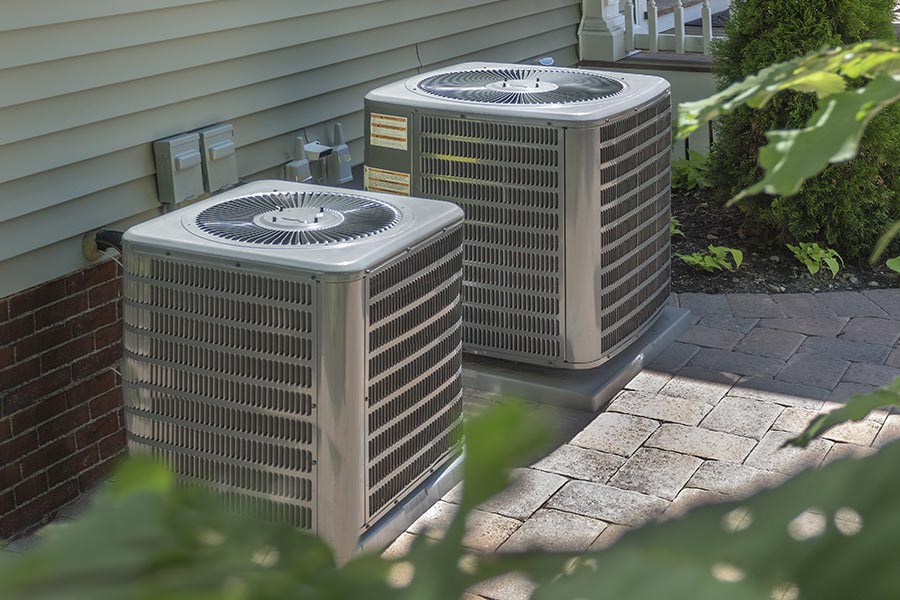
Summers are hot and winters bring occasionally freezing temperatures to the DFW Metroplex. That means local homeowners rely on their heat pumps to keep indoor temperatures comfortable all year long. When your system starts acting up, one potential issue is overheating, which can affect both performance and longevity.
So, can a heat pump overheat? Yes, and when it does, it’s usually a sign that something’s wrong within the system. Ignoring the issue can lead to higher energy bills, breakdowns, or expensive repairs.
As the leading provider of cooling and heating services in Hurst, TX, we’d like to go over the causes of these problems and overheating prevention.
What Causes a Heat Pump to Overheat?
Overheating in heat pumps happens when demands push components beyond their limits. Think of your system like a hardworking engine: It needs unrestricted airflow, refrigerant, and clean parts to operate efficiently. When one or more of these key elements fall short, the system must work harder, inevitably producing excess heat.
One of the leading causes of HVAC system overheating in Hurst area homes is clogged air filters. Dirty filters restrict airflow which makes it difficult for your system to “breathe” and forces internal components — especially the compressor — to work harder than they should.
Low refrigerant is another major factor. Refrigerant absorbs and releases heat; when levels become low, the system can’t properly regulate temperature. The compressor then runs longer and hotter to attempt to meet the demand.
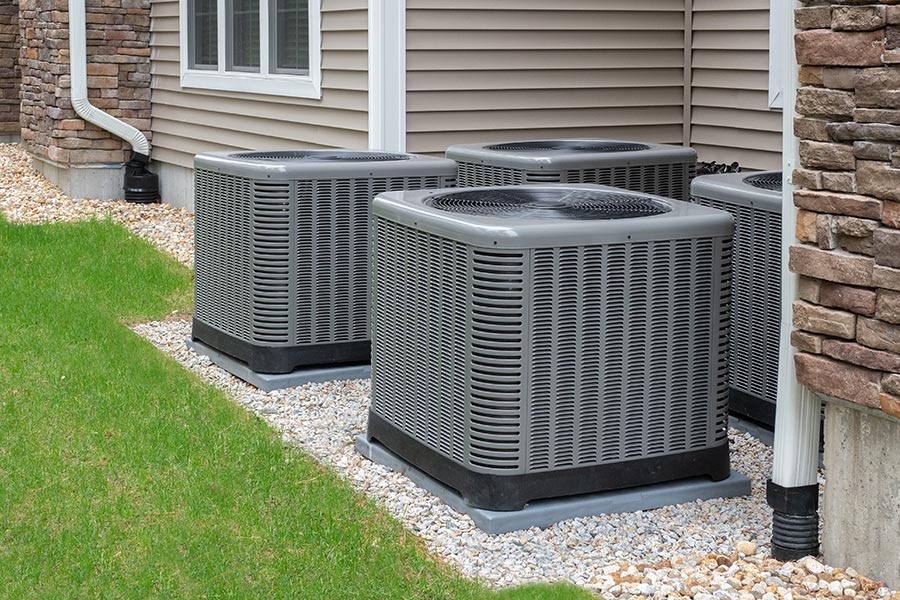
Outdoor conditions in North Texas can also play a role. If the dust, grass, or pollen that we deal with coats your unit’s coils, the system can’t release heat effectively. Moreover, blocked outdoor units surrounded by bushes or debris trap heat inside, pushing temperatures even higher.
Can a heat pump overheat because of mechanical or electrical problems? Yes. Worn-out motors, failing sensors, or broken capacitors can disrupt your system’s function and cause key components to overheat. Even thermostat issues can lead to constant running, leaving your heat pump without a break.
Recognizing Signs of Heat Pump Overheating Issues
The most obvious red flag warning you of overheating is when your system shuts down unexpectedly. Many modern heat pumps have built-in safety mechanisms that trip when temperatures rise too high.
Other symptoms include a burning smell from wires or insulation, tripped breakers, strange sounds like buzzing or grinding, and poor heating or cooling performance. If any of these occur, call your local HVAC system expert for heat pump troubleshooting and professional repairs as needed.
What To Do if Your Heat Pump Overheats
If you suspect the heat pump is overheating, the first step is to turn the unit off, as letting it cool down can prevent further damage. Then, inspect the filter and outdoor unit. Replace the filter if needed and remove any visible obstructions.
If heat pump operating issues persist, call your local HVAC system professional right away. An experienced technician will run diagnostics and provide appropriate overheating solutions, which may include recharging refrigerant, replacing worn components or recalibrating the thermostat.
Count On Triple A AC, Heating, & Plumbing for Comprehensive Heat Pump Service in Hurst, Texas
Can a heat pump overheat? Yes, but heat pump issues can be readily repaired and prevented with routine maintenance. From filter changes to timely professional service and inspections, a little effort goes a long way.
Don’t wait for strange sounds or shutdowns to take action. Keep an eye out for overheating signs, follow basic care steps, and rely on trusted local experts like Triple A AC, Heating, & Plumbing for lasting comfort and peace of mind. We’ll also help you with cleaning your furnace or heat pump for optimal performance and longevity.
Contact us today to schedule prompt, courteous service!
FAQs About Heat Pump Overheating
These are some of the questions our Hurst customers have asked about heat pump maintenance and overheating.
Does Insulation Affect the Risk of Heat Pump Overheating?
Yes, poor insulation affects the risk of the heat pump overheating by forcing the unit to work harder to maintain indoor temperatures. When heat escapes or enters your home easily, the system runs longer, increasing the risk of overheating over time.
How Long Should a Heat Pump Run During Normal Operation?
During normal operation, a heat pump may run for 10 to 20 minutes per cycle. During more extreme Texas weather, longer run times are normal.
Can a Heat Pump Overheat in Winter?
Heat pumps can overheat in winter and any other season. Ice buildup on coils or malfunctioning defrost cycles can strain the system, leading to elevated internal temperatures.